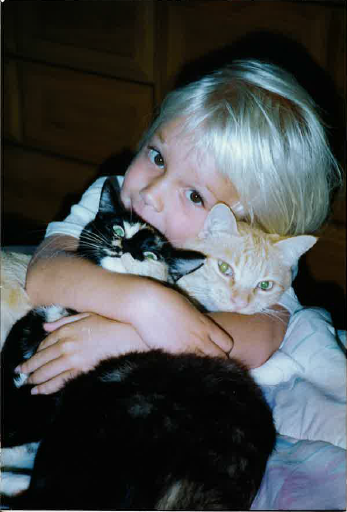
Small Animal Volunteers Have Big Hearts

By Lisa Stanziano
Newsletter Editor/Dog Volunteer

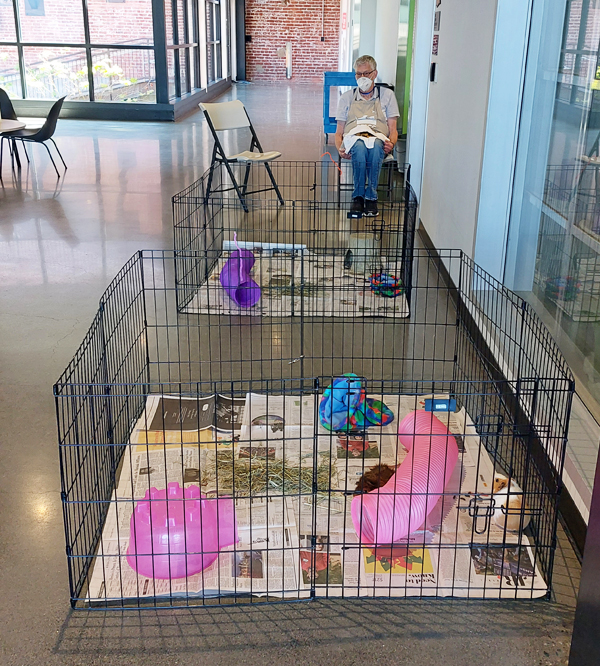
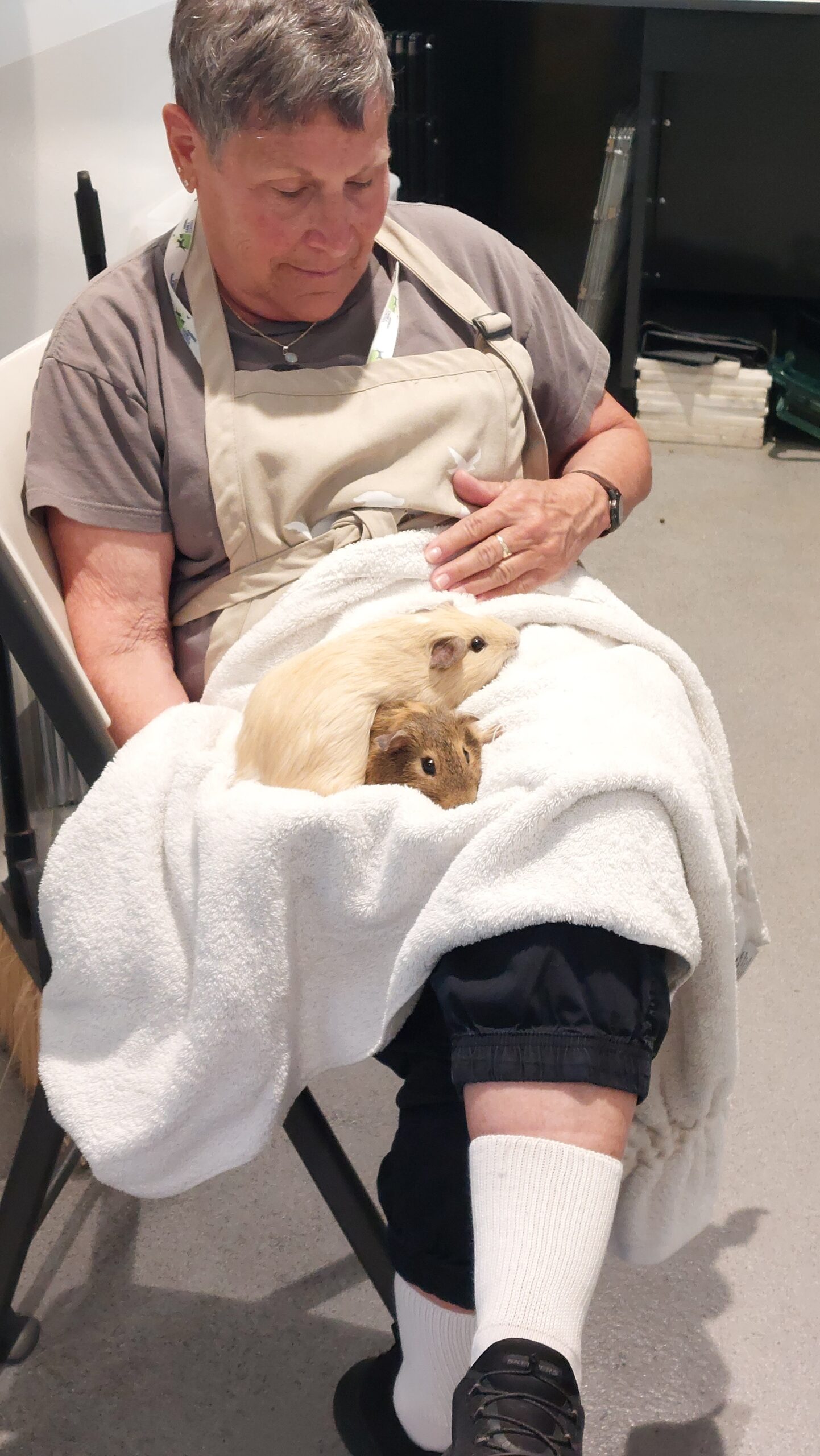
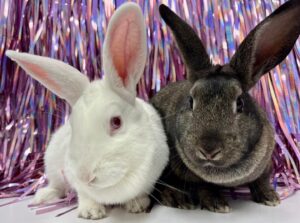
On the second floor of the shelter, you might see a volunteer in an apron holding a guinea pig in his lap and brushing it. A couple of bunnies are nibbling hay and hopping through a pink tunnel toy on the floor, in a temporary corral-style pen. Rabbits and guinea pigs of various sizes relax in their cages.

The new spacious building has three separate rooms to house small animals other than cats and dogs: one room for reptiles and amphibians, one for birds, mice, hamsters, and rats, and the largest one for rabbits and guinea pigs. The new building is also notable for having a rooftop yard exclusively for rabbits–in the old building rabbits used the dog yard only on Thursday afternoons! Volunteers generally take two or three at a time to give them fresh air, and space to hop and play.

Kirby Counts, an experienced volunteer, fills me in on what happens when small animals are surrendered or found as strays. “First they go through a holding phase to allow them time to destress and be evaluated by the staff. Rabbits are generally spayed/neutered and given RHD vaccination before they’re adopted (2 shots, three weeks apart). Sometimes we take in bonded pairs and in that case, the pair must be adopted together. Rabbits and guinea pigs are individuals, and have unique personalities. They’re as resilient as cats and dogs, and can become more social when given attention and care.”

Volunteers like Kirby and his cohort on Monday afternoons, Sandy Barth, routinely handle the “smalls” at SFACC to socialize them and give them time outside of their cages. They carefully supervise animal interactions and gauge the compatibility of the animals—both for playtime at the shelter and for adopters who have other pets and are looking for a companion. The volunteers also have a wealth of knowledge about basic care and health of the animals. They often share observations with the shelter vet staff and help the animal care attendants advise adopters.

Most people are familiar with the basic needs of cats and dogs, but not everyone knows that in some ways, rabbits are more complicated. For example, bunnies have fragile digestive systems; they require specific kinds of food and hay, and chewing material to keep their teeth from becoming overgrown.

You might think of small animals as good “starter pets” for kids, but the truth is that an 8-yr-old adopting a guinea pig, rat, rabbit, or parakeet is as much a commitment for the parents as it is for the child. Luckily, the entire family receives an education from the staff animal care attendant or volunteer helping them meet their potential pet.

Sometimes people come in when one of their pets passes and they want to adopt a new friend for the remaining pet. Just as SFACC requires folks to bring in their dog if they are looking to adopt a sibling, they are encouraged to do the same for rabbits, guinea pigs, and other animals, so that experienced volunteers or staff members can observe them together. A very important point: make sure the siblings or the adopted pair are the same sex; otherwise you might have an unwelcome surprise in a few weeks!

SFACC can always use hay-based treats and plain wood pieces, i.e. unpainted toy blocks are great!

Test Kitchen Tuesday: Success with Doggie Playgroups

By Katy Jones
Adoption Partner Transfer Coordinator
Acting Supervisor of Behavior & Training Division

Nope, it doesn’t involve food or cooking. 

On Tuesdays, we Test Kitchen! Every Tuesday, members of our behavior & training staff partner with our Fetch volunteers to offer socialization opportunities to available dogs and unavailable dogs. Working with unavailable dogs in a playgroup capacity is an exciting new step for everyone—it allows us to use other dogs and play to build confidence and skills in dogs that would otherwise not be receiving this type of engagement. 

One of our greatest beneficiaries of Test Kitchen Tuesday (TKT) is a young dog named Tristan. Tristan is a hearing-impaired, adolescent Aussie mix who came to SFACC in early February as a stray. When Tristan arrived, he was incredibly shut down and presented as almost feral—he could not be touched, wouldn’t leave his kennel, and spent the majority of his days hiding under his Kuranda bed or pressed against the far back wall of his kennel. Tristan’s quality of life was very poor in this state. 

Over the course of a few weeks, Fetch and B&T made great efforts to work with Tristan at his own, glacial pace. Upon noticing him coming to the front of the kennel when other dogs walk by, I opted to sit in front of Tristan’s kennel with dogs known to be social with other dogs and people. And wouldn’t you know it—Tristan began to come out of his shell. 

Tristan was able to make friends with another SFACC dog resident, husky mix Winterkin. With regular play sessions, and tandem walks throughout the shelter, Winterkin was able to help Tristan relax and embrace his fun side (and learn to walk up stairs too!)

Tristan and Winterkin benefitted hugely from having TKT every week to play and let loose. Social opportunities for dogs can help reduce the stress that is inherent in sheltering, and Tristan and Winterkin beautifully exemplify the healing power of play! Tristan quickly began to win the hearts of staff and volunteers alike and was adopted yesterday by a member of our B&T staff! He’s settling in well at home. His new name is Lemonade—because when life hands you a lemon, you send that lemon to playgroup to sweeten up! Hah.

Check out Lemonade and Winterkin (aka “Winnykinny”) playing. Winterkin was adopted through our rescue partners Welcome Home Sanctuary and he’s living  the life in the Santa Cruz mountains.


Another Test Kitchen Success Story…

The cute pittie wearing the coat in this playgroup video with Tristan and Winterkin is a dog Katy found in front of her house one night: “She had had puppies and was dumped in the park near where I live. I brought her inside and set her up for a sleepover and then took her to SFACC the next day. She was a star player in TKT but needed some confidence building—she went to a great foster through Grateful Dogs Rescue and I believe is being adopted! So just a win/win/win!” 

Editor’s Note:
B&T Acting Supervisor Katy Jones recently completed the winter course with Shelter Playgroup Alliance, a group of folks that support healthy interdog relations in shelters and is positive-reinforcement/science based. The winter cohort is a four-month course for shelter workers, dog trainers, and anyone looking to beef up their knowledge of canine body language and conspecific social behaviors.  Learn more about Shelter Playgroup Alliance

Convicting Animal Abusers: Charlie’s Case Study

By Lead Animal Control Officer Rebecca Fenson #22, CACO

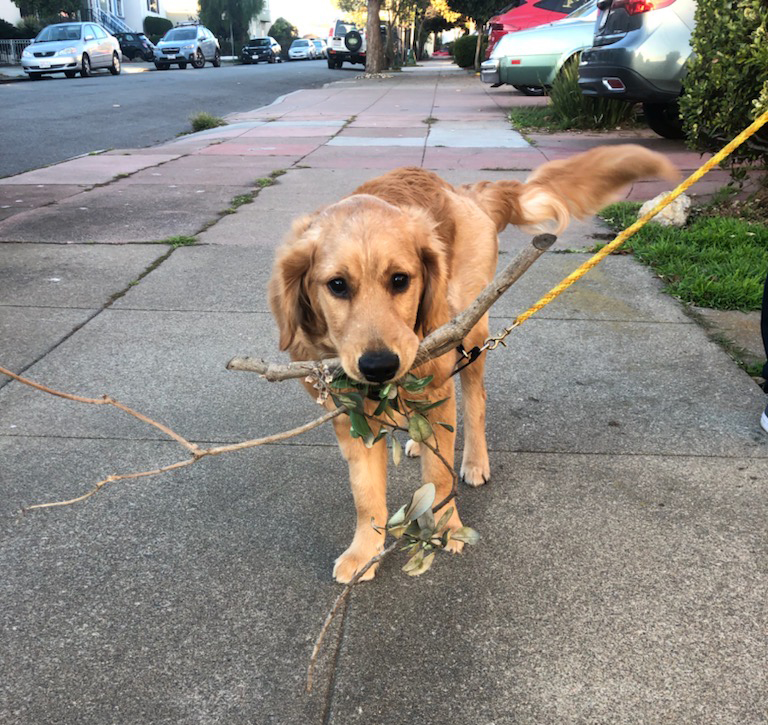
Remember the Brian Cook case involving Charlie, the sweet Golden Retriever puppy? In January 2022, Cook was charged and pleaded guilty to animal cruelty and neglect, a misdemeanor. The word got out (including a great TikTok video!) and reached the University of San Francisco School of Law. Matthew Liebman, Associate Professor and Chair of the Justice for Animals Program invited former Assistant District Attorney Paige Zielinsky (who prosecuted the case and has since left the DA’s office) and me to speak to his law students and give them an inside glimpse into how SFACC’s Animal Control Officers (ACOs) investigate crimes-against-animals cases and then present the cases to the District Attorney’s office.

Professor Liebman specializes in animal law and was teaching a seminar about whether animals are entitled to justice and how such an entitlement intersects with human social justice struggles. Paige and I were invited to speak to the students in late March on a day when they were exploring the relationship between animals and the criminal justice system, and discussing how restorative justice principles might be applied in animal cruelty cases. He specifically asked us to share how the Cook case was investigated and prosecuted.

Paige and I put together a Power Point presentation and I spoke first, describing the work we do at SFACC and in Field Services, and then explaining how we investigated the case and created a case file to bring to the DA’s office. I talked about the challenges of this case (for example, we found no direct evidence, just piles of circumstantial evidence), Cook’s demeanor as the investigation progressed, and how this case differed from the other cases I’ve handled. For example, Cook was consistently taking his injured puppy to the veterinarian and paying for all of the recommended treatments. This was unusual because one of the most common violations we see when we respond to and investigate cases of abuse or neglect is that the animal (usually a puppy or adult dog) is suffering from a medical condition such as Parvo, a severe skin condition, a broken leg, or is emaciated, and is NOT taken to a veterinarian. Also unusual was the fact that Cook was consistently cooperative and polite (later this absence of emotion and his odd detachment was creepy and weird, but the lack of hostility was initially surprising).

After my chronological summary of the investigation, Paige talked about the post-investigation criminal prosecution. Her topics included charging, discovery, arraignment and plea, offer and negotiations, diversion (Diversion is when the case is diverted out of the court system and into Neighborhood Courts, which doesn’t offer a “no animal” condition and is often dismissed with no record—we didn’t want that to happen for this case), and the case disposition.

We could have talked longer, there was so much to this case, and not enough time for a Q&A. Paige and I communicated afterwards and agreed that we made a great team and really enjoyed working together on the case. And, even though she is no longer with the DA’s office, she will assist us in any way she can in the future.

Later, Matthew said that he and the students learned a lot. It was rewarding to talk to such a perfect audience—young people who are interested in seeking justice for animals through the law. I was very happy to connect with Matthew, who is as committed as I am to helping all animals, and we plan on talking again in the future about our work.

To view the Cook Investigation and Prosecution presentation, click Brian Cook PPT.

March 2022

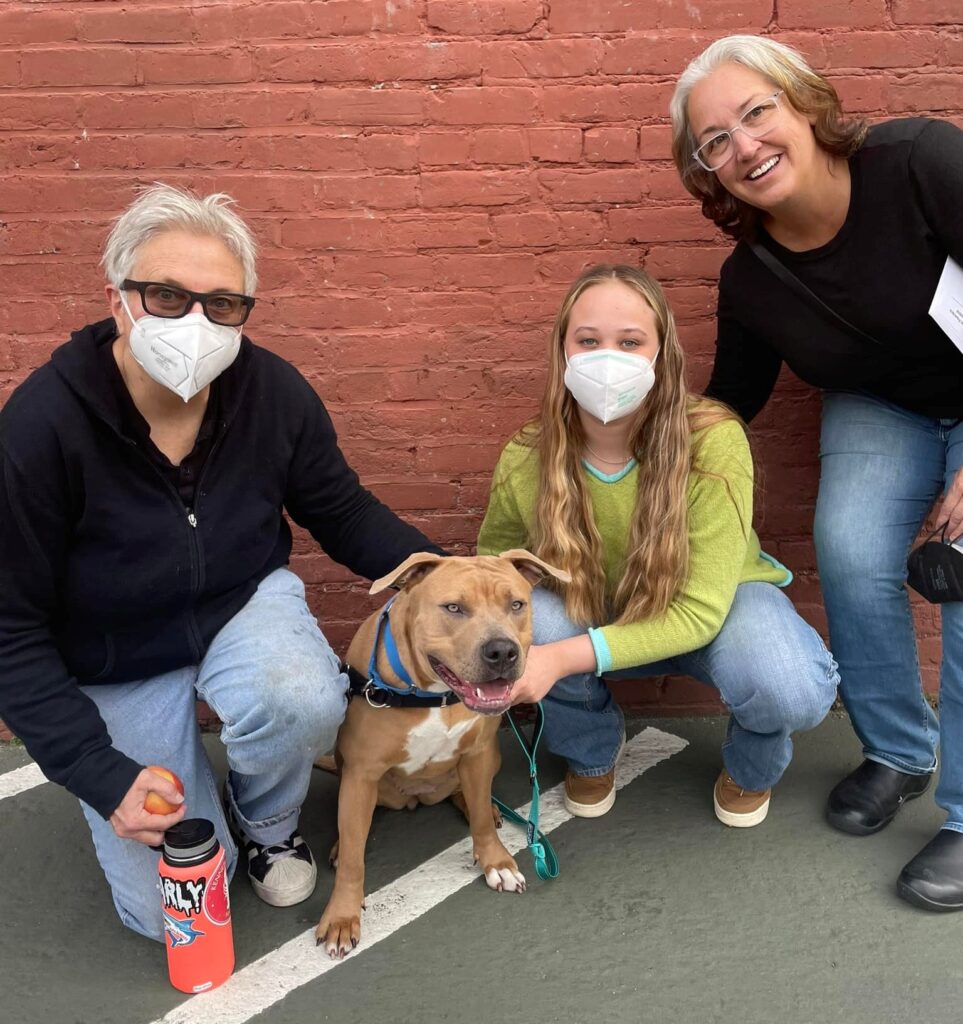
In March, 2022, SFACC adopted out 54 animals: 13 dogs, 30 cats, 11 other species. Transfers to partner organization totaled 162 animals: 83 dogs, 22 cats, and 57 other species.

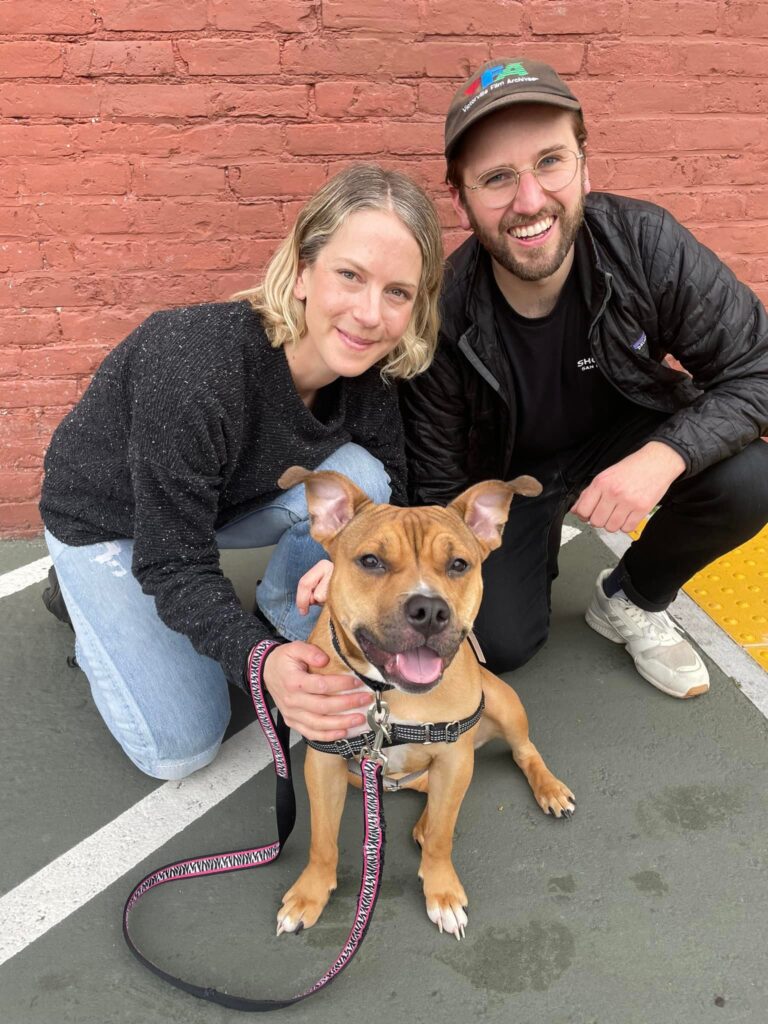
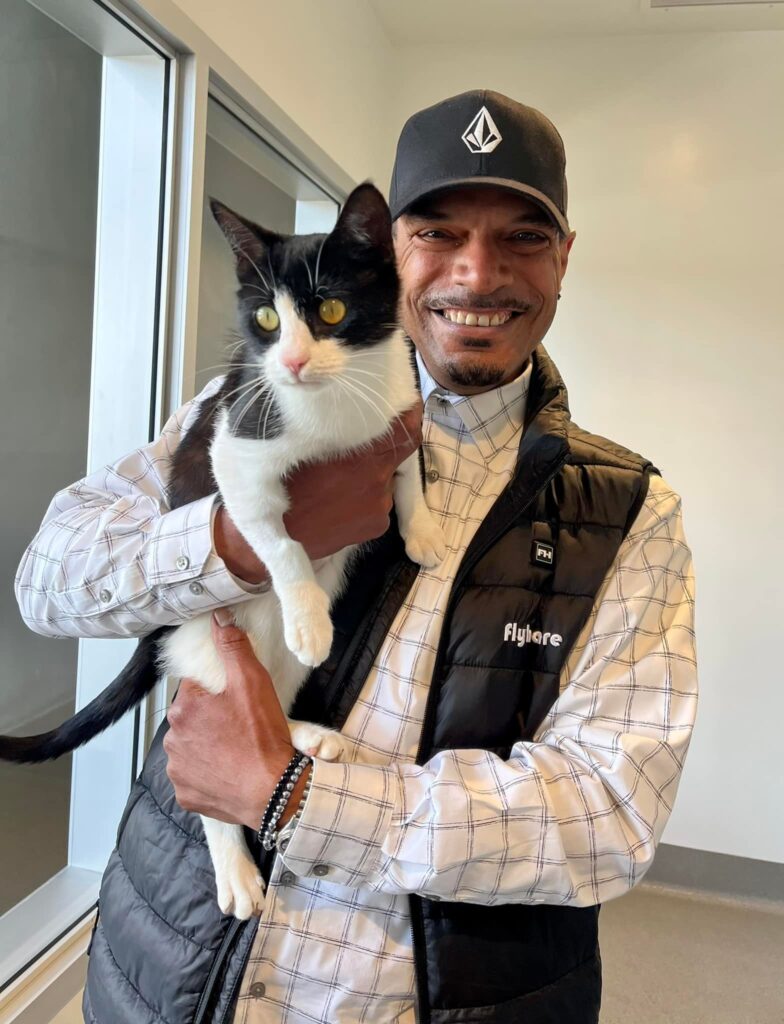
Congratulations to all the adopters and thank you for adopting from your municipal shelter!

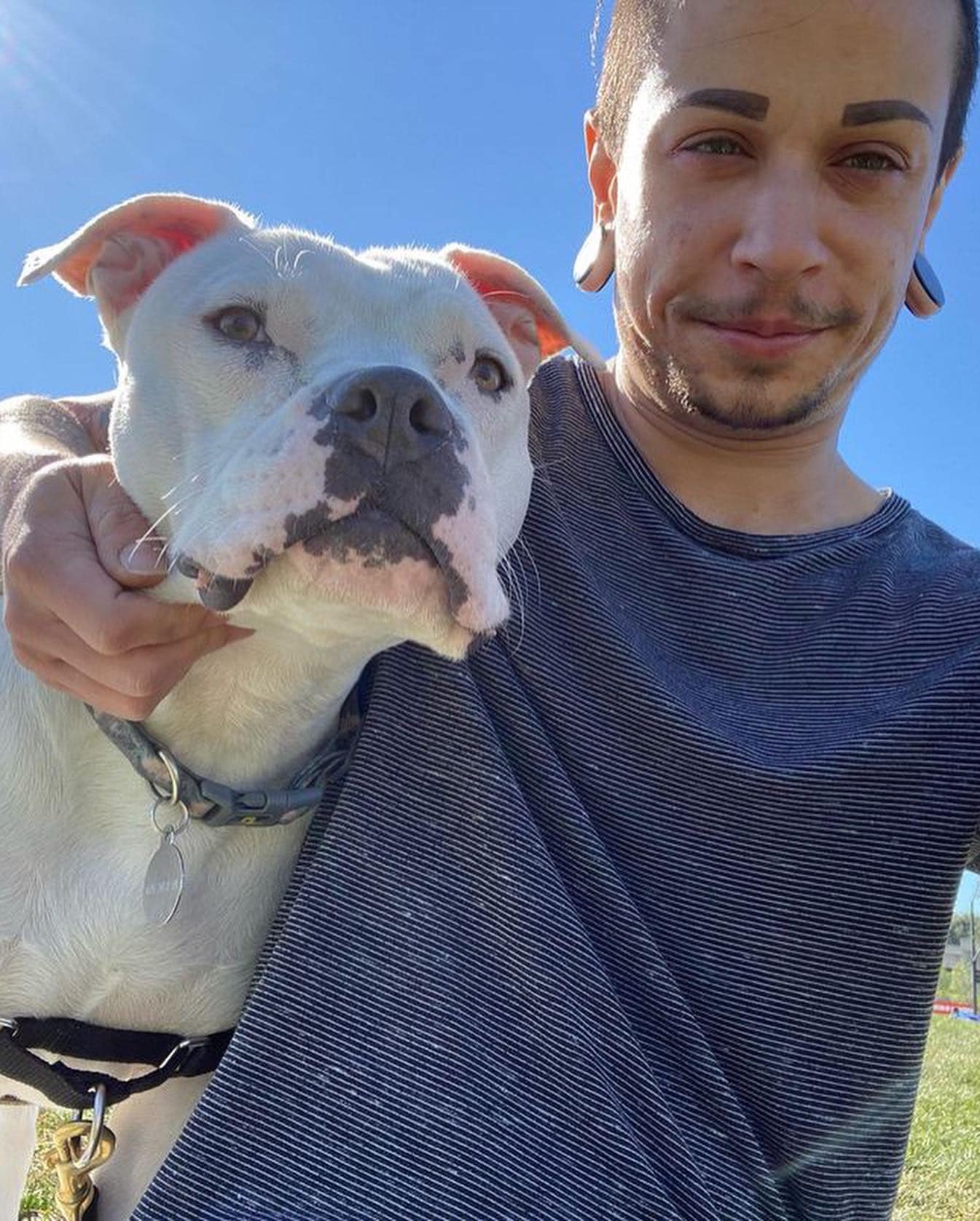
Sweet Pumpkin Pie has been adopted after a long stay at SFACC and she quickly became a staff and volunteer favorite. We’re so happy for her and her new family! Her new name is Dolly Parton, perfect for this social darling.

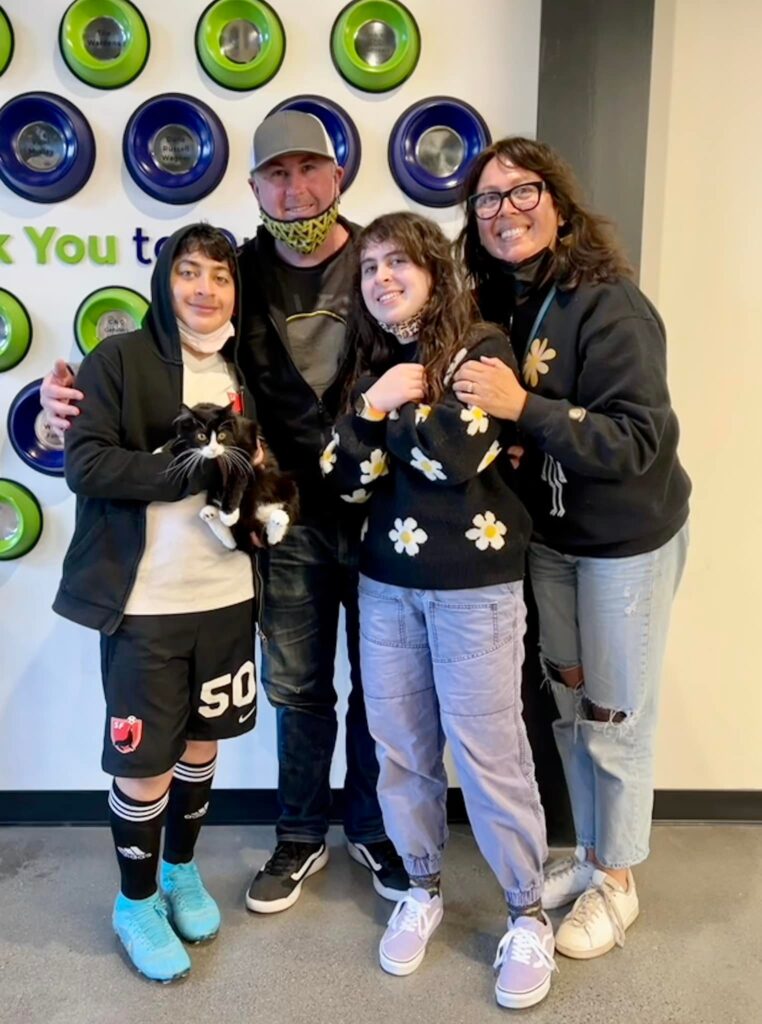
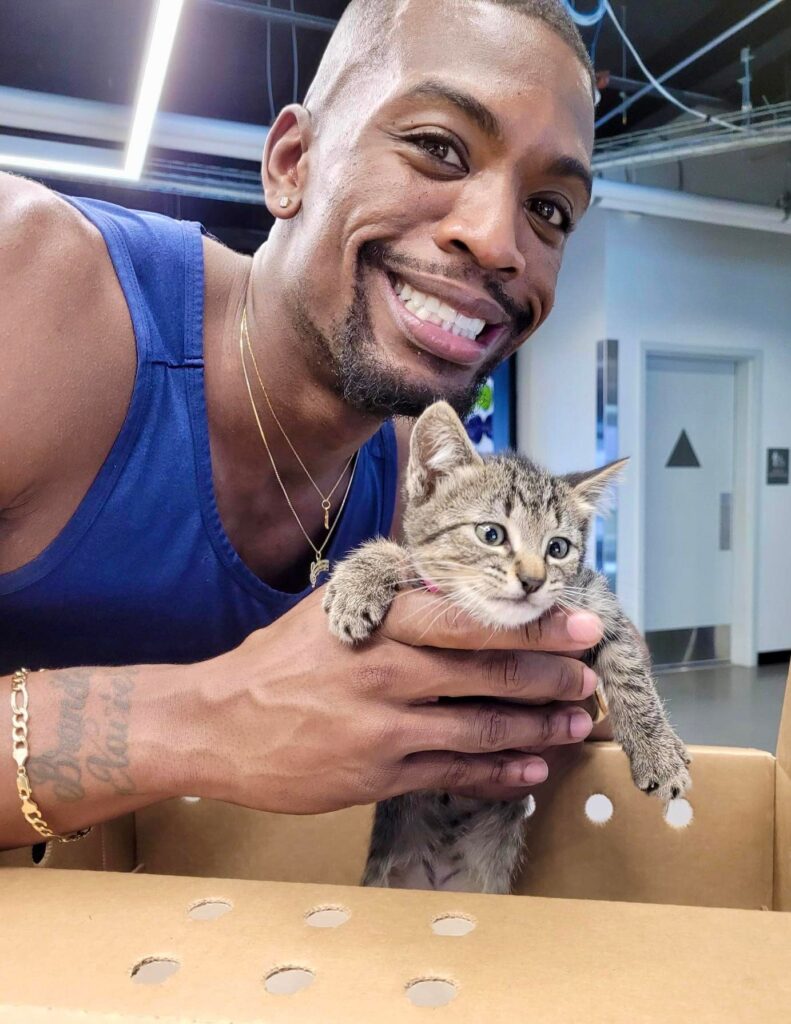
And just like that…all the kittens have been adopted! Here’s tuxie cutie Shailee with her happy new family!

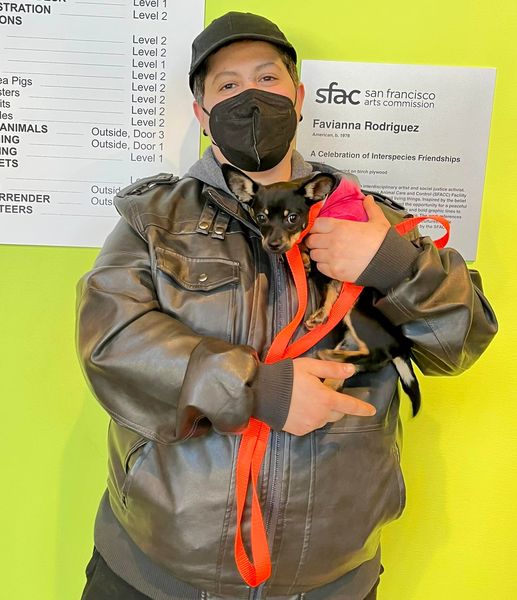
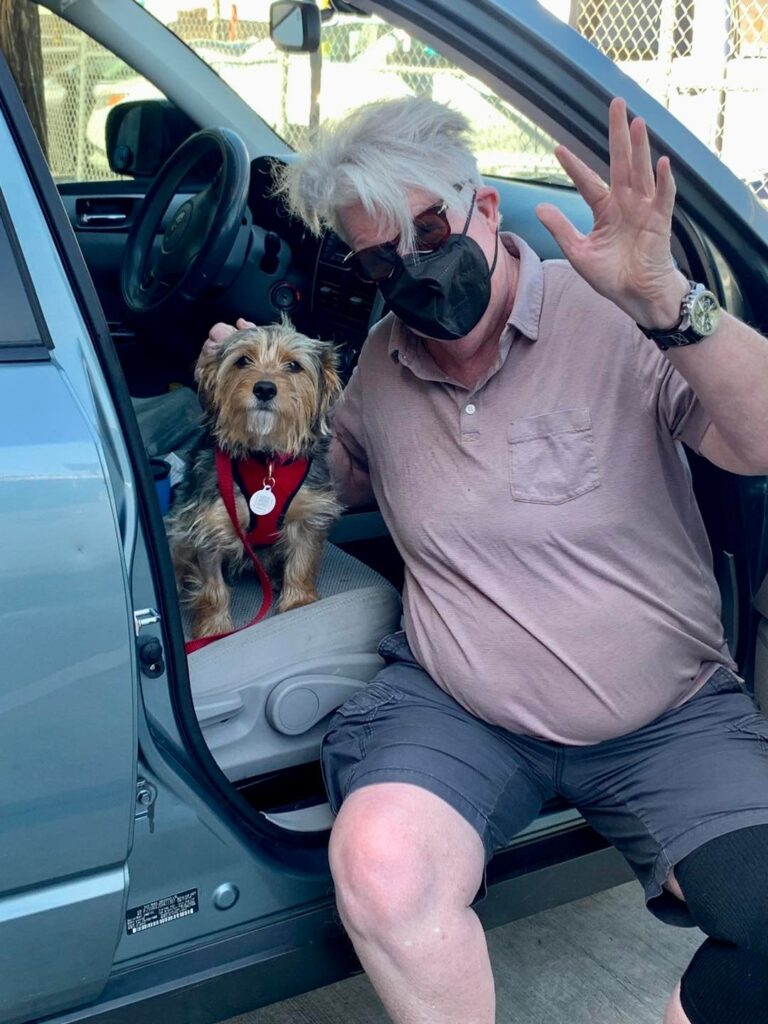
Wee pup Frijolita has gone home!

Update: Beautiful Quinn was adopted last month and is loving her forever home! “She loves all her human and fur family members” and her chi brother Saffron is “warming up to her complete sweetness.” And she’s shown a singing talent, like her new mom.

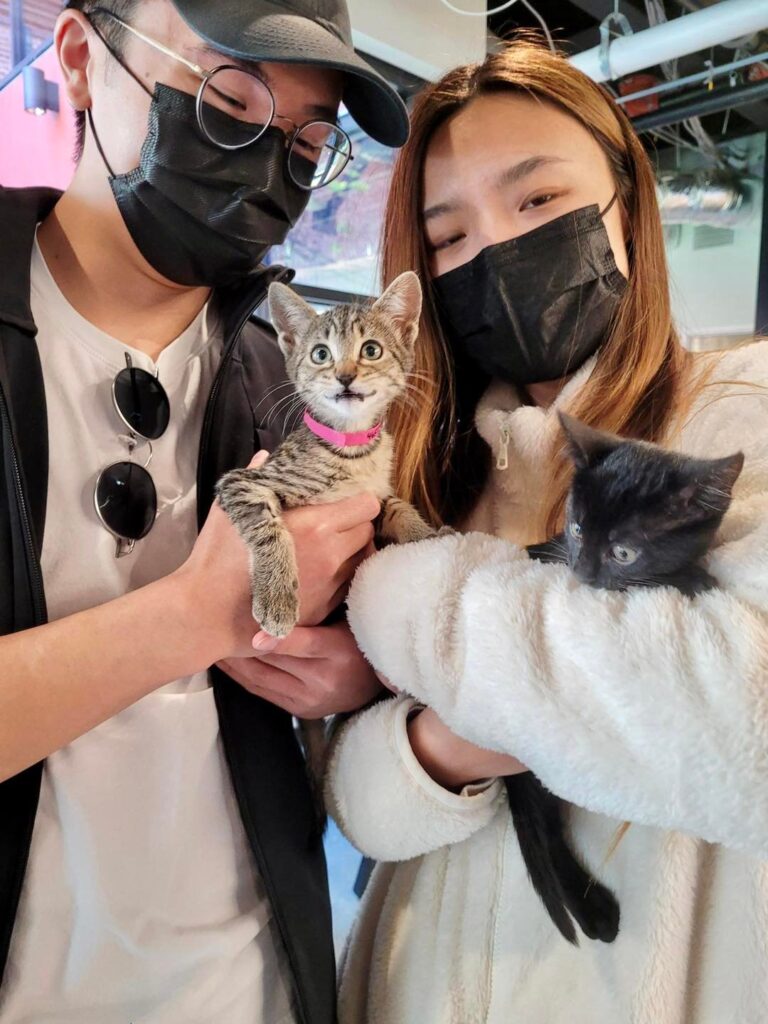
Caturday adoption photo: Sesame and Mint went home together! Have a great life and send us updates!

Goofy Damien has found his new home.

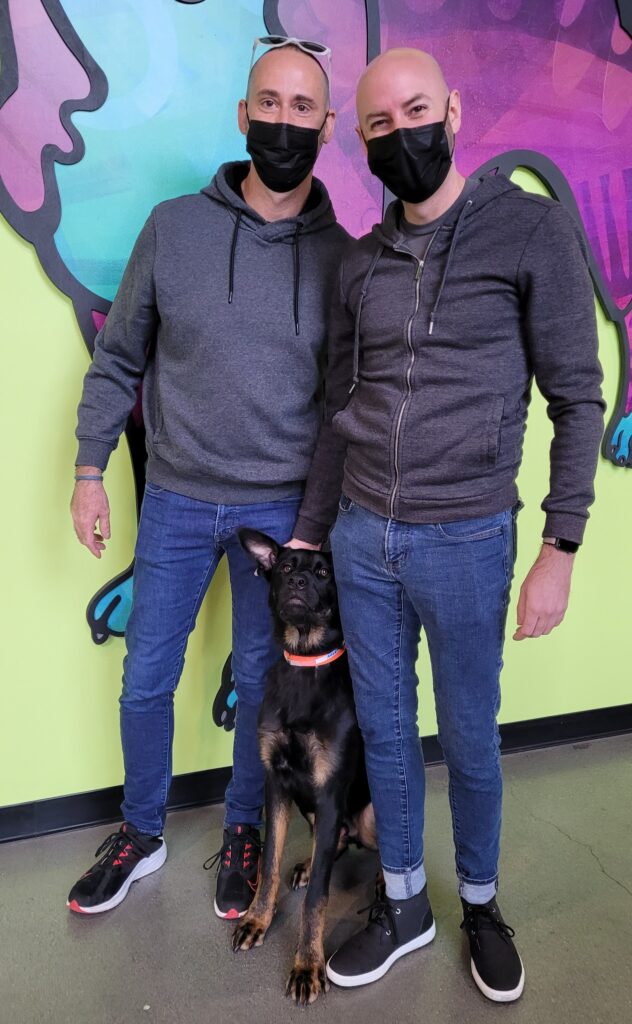
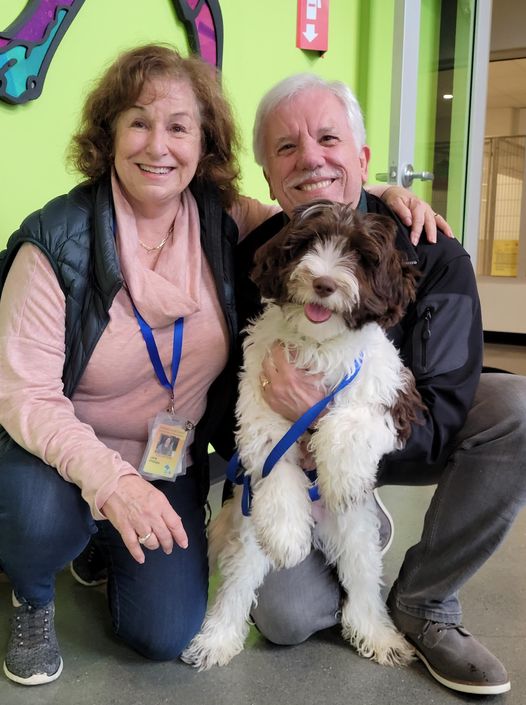
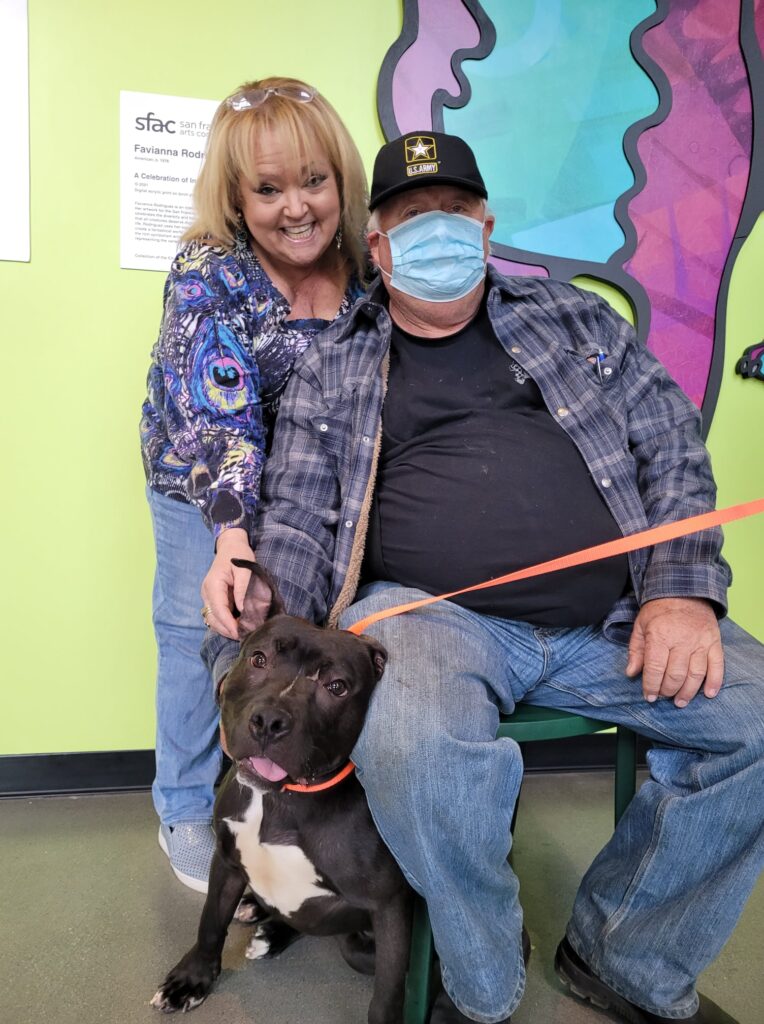
Doodle pup Ringo became available on Saturday and was very quickly adopted, by one of our long time volunteers!

Wee kitten Paprika has gone home!

Tommy Pickles has left the building! Is that a happy face or what? Have a great life cutie and send us updates!

Sweet little Sprite was adopted last week and already came by for a visit! Her new name is Juniper.

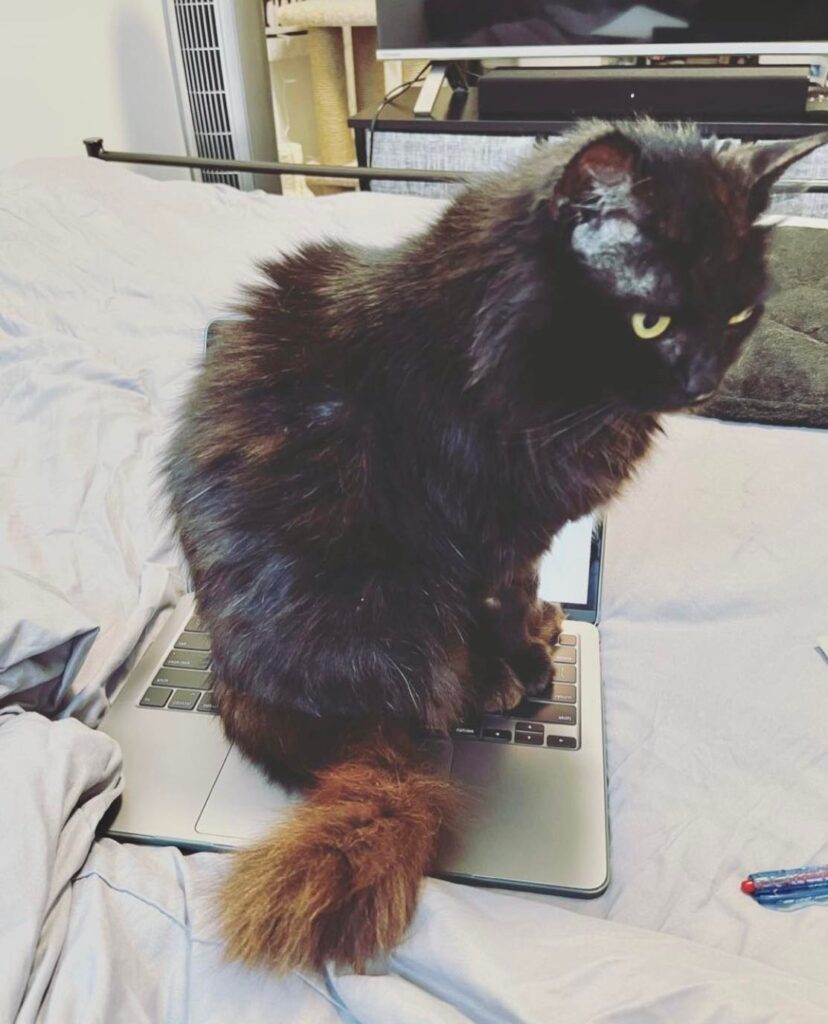
Fluffy beauty Jessye was adopted last month and we already have an update! “Jessye is living her best cat life and is doing typical cat things, like sitting on my laptop. She’s the love and light of my life, and the best furry companion.”

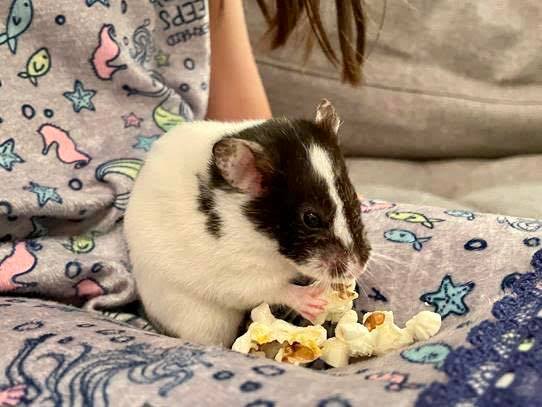
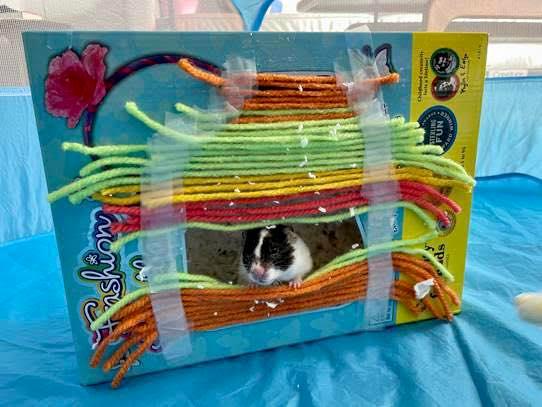
Cashmere was adopted a year ago and we just heard from her happy adopters: “She is one of the sweetest hamsters I’ve ever known (and I’ve known many throughout my childhood and now my kids’ childhoods)! She is definitely an escape artist, so we have to keep very close tabs on her, but she has never bitten anyone, and is super fun to have around. Here are a few photos so you can see her living her happy hamster life.”

Miss Molly with her new parents.

Tuxie beauty Catricia has been adopted, before we even had a chance to post her!

Stella has gone home! She only has eyes for her new mom! 

Hooray: Senior bonded pair of fluffy glamorpusses Pippa and Thomas have been adopted! 

Katy Jones: Portrait of a Cat Lady

By Lisa Stanziano
Newsletter Editor/Dog Volunteer

Usually, I see Katy Jones at the shelter with a dog on a leash, or in the courtyard with other Behavior & Training colleagues, evaluating dogs or talking to a rescue partner about transferring some. We don’t see her on the “cat side” much. But one of the best kept secrets about her is that Katy cut her adult rescue teeth on cats. No, she didn’t bite them, she trapped them, fixed them, and rehomed them.

As a 19-year-old living in Crown Heights, Brooklyn, Katy noticed there were LOTS of free-roaming cats in the neighborhood. She also observed kind souls feeding colonies of cats and quickly learned about TNR (trap/neuter/release). Katy bought a trap from Craigslist and decided to pitch in. She would trap cats, get them fixed and release the most feral. If they seemed to like humans, she’d foster them and find them homes. “Starting out, I did all the wrong things, like keeping 4-month-old kittens in pairs as I attempted to socialize them. Sometimes having two scared kitties together can impede their progress, and once they’re at that age, turning them around can be VERY challenging. Fortunately, I found adopters who were understanding of their behavioral quirks from living such a significant portion of their development on the wild streets of Brooklyn.”

Determined to help these roaming cats, she sometimes waited in her carovernight–to keep an eye on the trap so that as soon as a cat went in, she could retrieve it. Also, to safeguard her equipment. The Eastern Parkway in Brooklyn is sketchy. Once, a wooden board she was using to block an escape route hole in a fence was stolen. Katy persisted. She became known in the area as the Cat Lady. She got a call once about a vacant house with squatters living upstairs and kittens discovered in the basement. Using the flashlight from her phone, she made her way in the dank basement to find them, dodging the fleas jumping off the floor. She got the kittens out. They were ~4 weeks old. She kept them in her bathroom, bottle fed and socialized them. When they were older, she got them fixed and then adopted. “I had a lot of bottle babies pass through my bathroom back then! I once found a litter that still had umbilical cords, covered in fleas under a car during a heatwave. No sign of Mom, so I took them in. My first time raising bottlers from birth!”
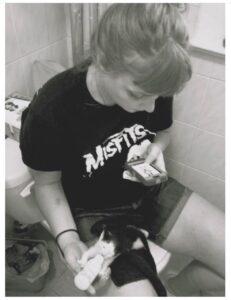
Brooklyn at that time did not have the resources that many cities do now (like SF), with the Community Cats (program), and TNR volunteers and services. Spay/neuter services were scarce. First come, first served. “I would get in line at the ‘snip truck’ at 3am with 8-week-old kittens in my coat pockets because I couldn’t carry the number of carriers I needed. And I kept the kittens warm that way. March in NY is not warm and I remember the other trappers and I would take turns holding each other’s spots in line and going to the bodega across the street for hot chocolate. It was a pretty bizarre scene, but somehow a really sweet little community.”

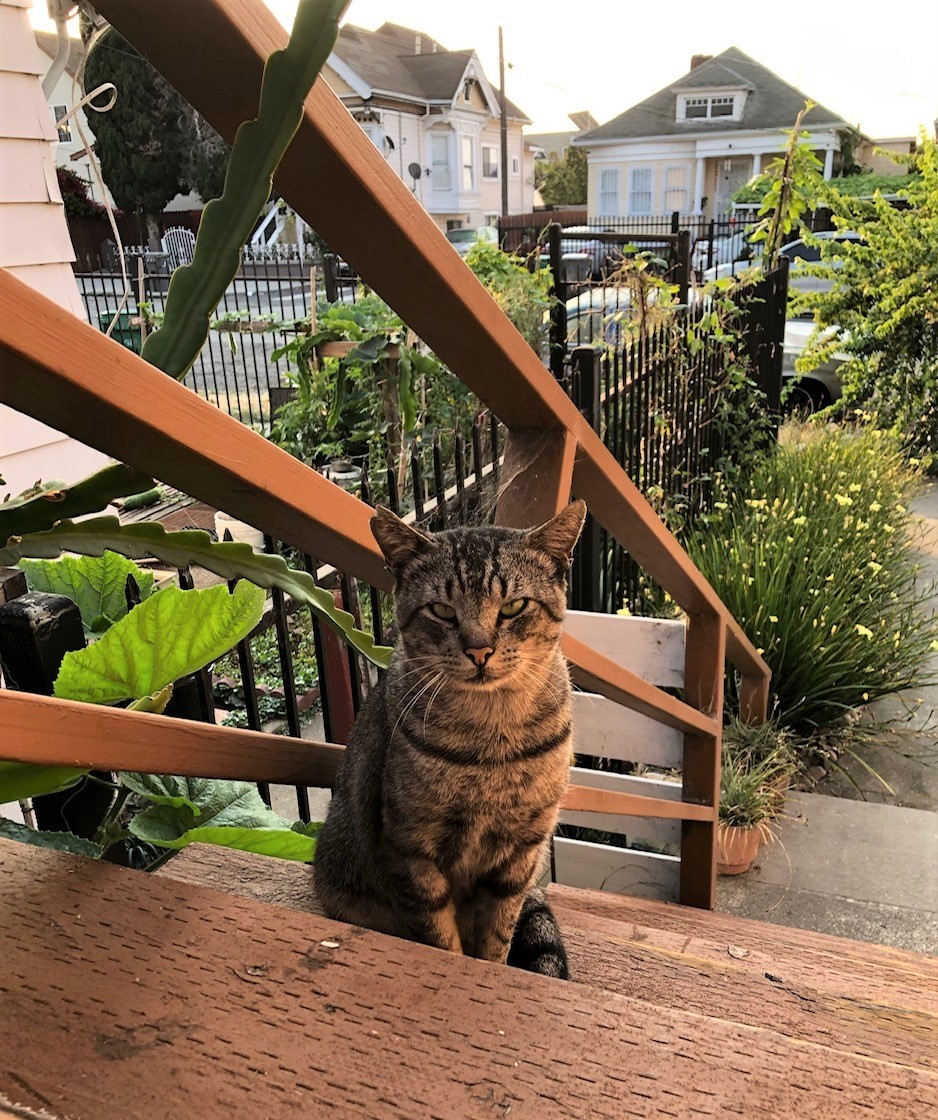
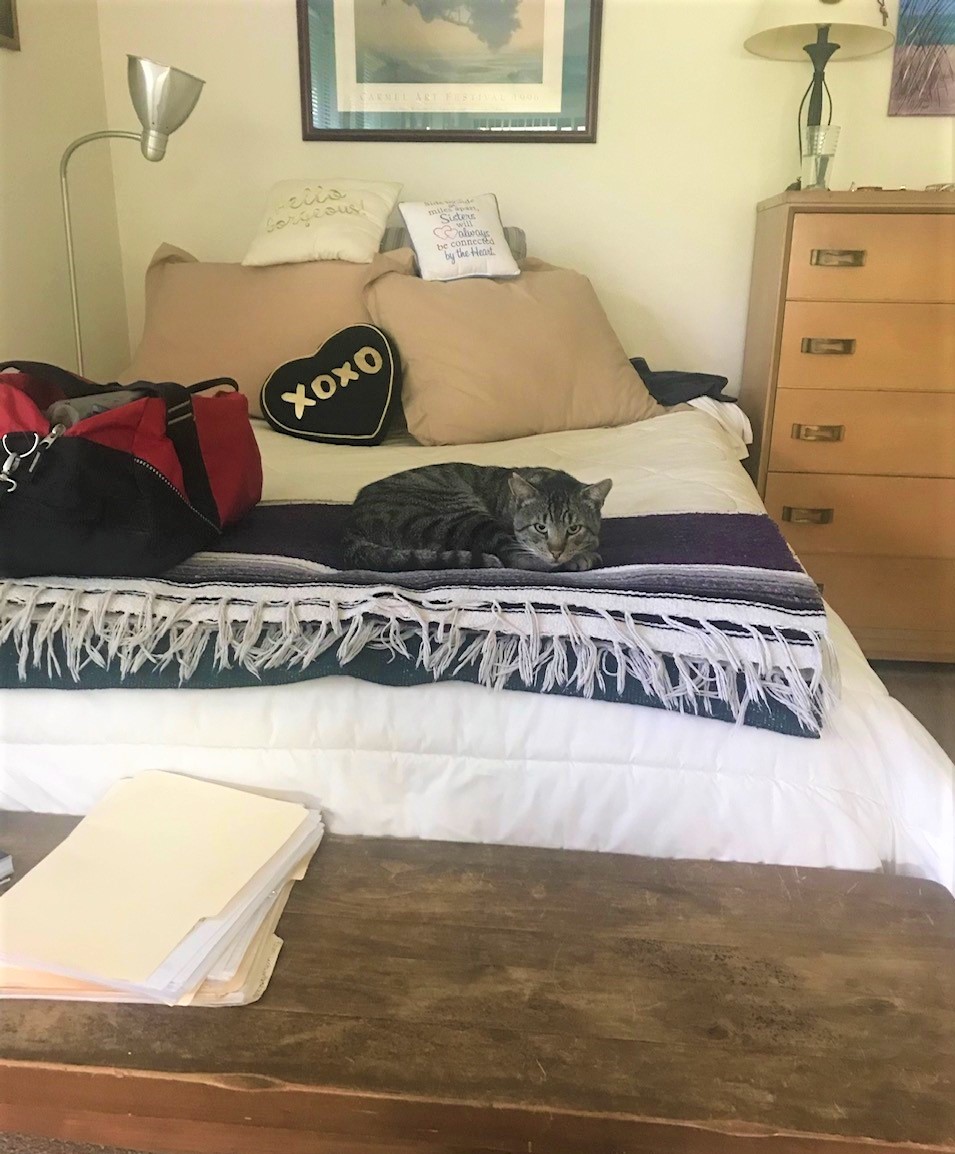
Rehoming all the cats that Katy found or that made their way to her was another challenge but she was up for that too. Her skill with figuring out who of her friends and neighbors wanted, needed, or knew someone who wanted/needed a cat expanded to a wide network and she’s still in touch with adopters who give her updates/photos. One particular outdoor cat, a wary tabby she called Frank, found his way to her yard in Oakland and would stand on her stoop and look inside but wouldn’t go in. “The door was always open for him but he was so hesitant. I was moving in a week and wanted to take Frank. I knew if he stayed, he wouldn’t be ok. Finally, I just picked him up and he went limp. He was ready to be taken care of. Now he’s living the good life in San Rafael with a lovely lady named Fran. Frank and Fran–a perfect match!”
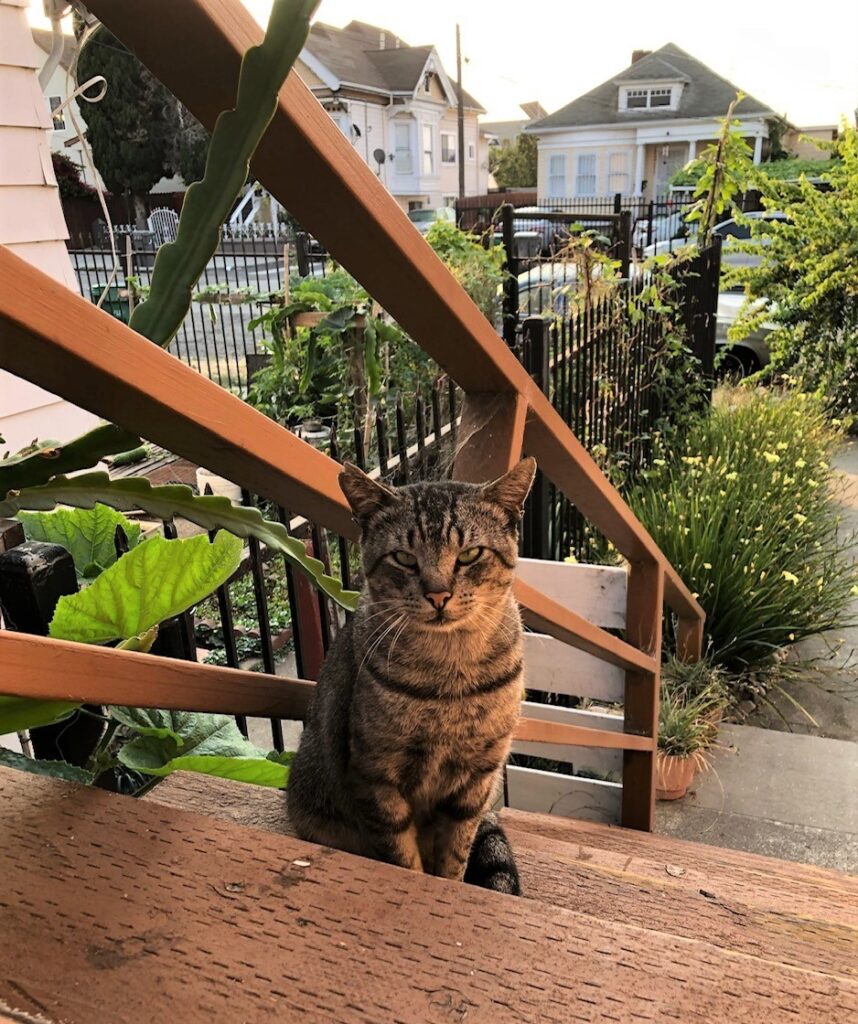
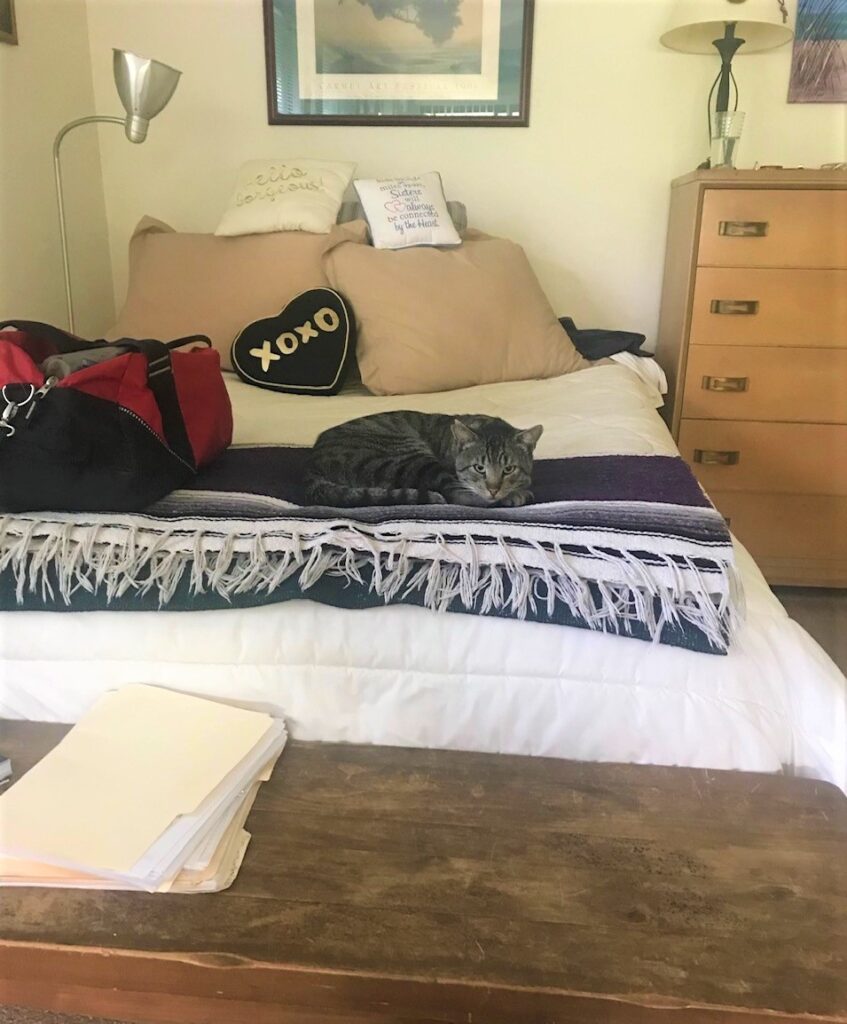
 
Frankie on Katy’s Oakland stoop, and in his forever home with Fran in Marin.

Katy’s destiny of working in animal welfare seemed a birthright. “My family loved animals and my mom was always bringing home animals and fostering them. I was four when she came back from the grocery store with two small kittens. We named them Fred and Ginger.”
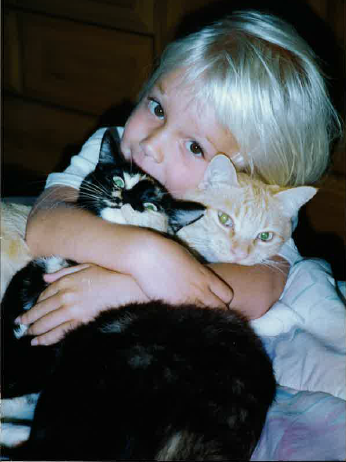
When she was 16, her family drove to Florida for vacation and rescued a dog that was lost near the freeway! They picked up the dog and found it a home before their vacation ended.  Though Katy’s family moved several times, there was no question that the pets would come with them. This philosophy carried through her own moves as an adult. When relocating from the east coast to Oakland, California, she drove out with her dogs and bought a plane ticket for a close friend to escort her cats. No pet would ever be left behind!

In her position at SFACC, Katy supervises the Behavior and Training Division (three other staffers) and coordinates adoption partner transfers. Moving animals from a place where there’s a lot of competition for resources (space, adopters, etc.) to a place where there’s a demand for those animals is another skill that she honed in Brooklyn with kittens. “I pipelined the cats I trapped and cared for up to New England, where there’s actually, somehow, a kitten shortage. Probably because of the harsh winters.”

Katy’s especially excited about two B&T programs that are unique to most municipal animal shelters: FETCH (dogs) and PURR (cats). The programs use the expertise of experienced volunteers and B&T staff to focus on customized behavior work for dogs and cats that need a little extra socialization before they are ready to be adopted. “What’s great about these programs is they allow more flexibility and fluidity in approaching training and socialization plans for each animal. The volunteer groups are committed to collaborating with the staff and each other in a way that will positively affect the animals. They have access to timely behavior information about a cat or a dog–what one person tried that works or what someone has observed–and they’re able to communicate that to all parties involved. An animal that was considered under confident and shy on Monday might become a social butterfly by Friday and we’ll be able to share that with each other quickly and affect the outcome for that animal. Make them adoptable.”

So now you know. At the shelter, you might see Katy pushing a stroller with a 13-yr.-old Chihuahua in it or carrying a puppy. But her secret is out: rescuing animals started for her with cats!


Editor’s Note: Kathryn (Katy) Jones is the SFACC Adoption Partner Transfer Coordinator and Acting Supervisor of the Behavior & Training Division.