Teapot’s Journey to Health and Happiness

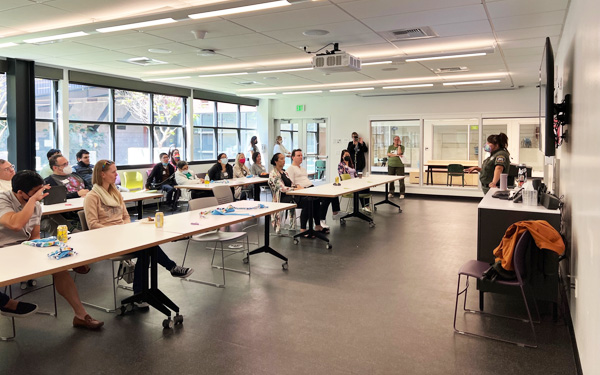
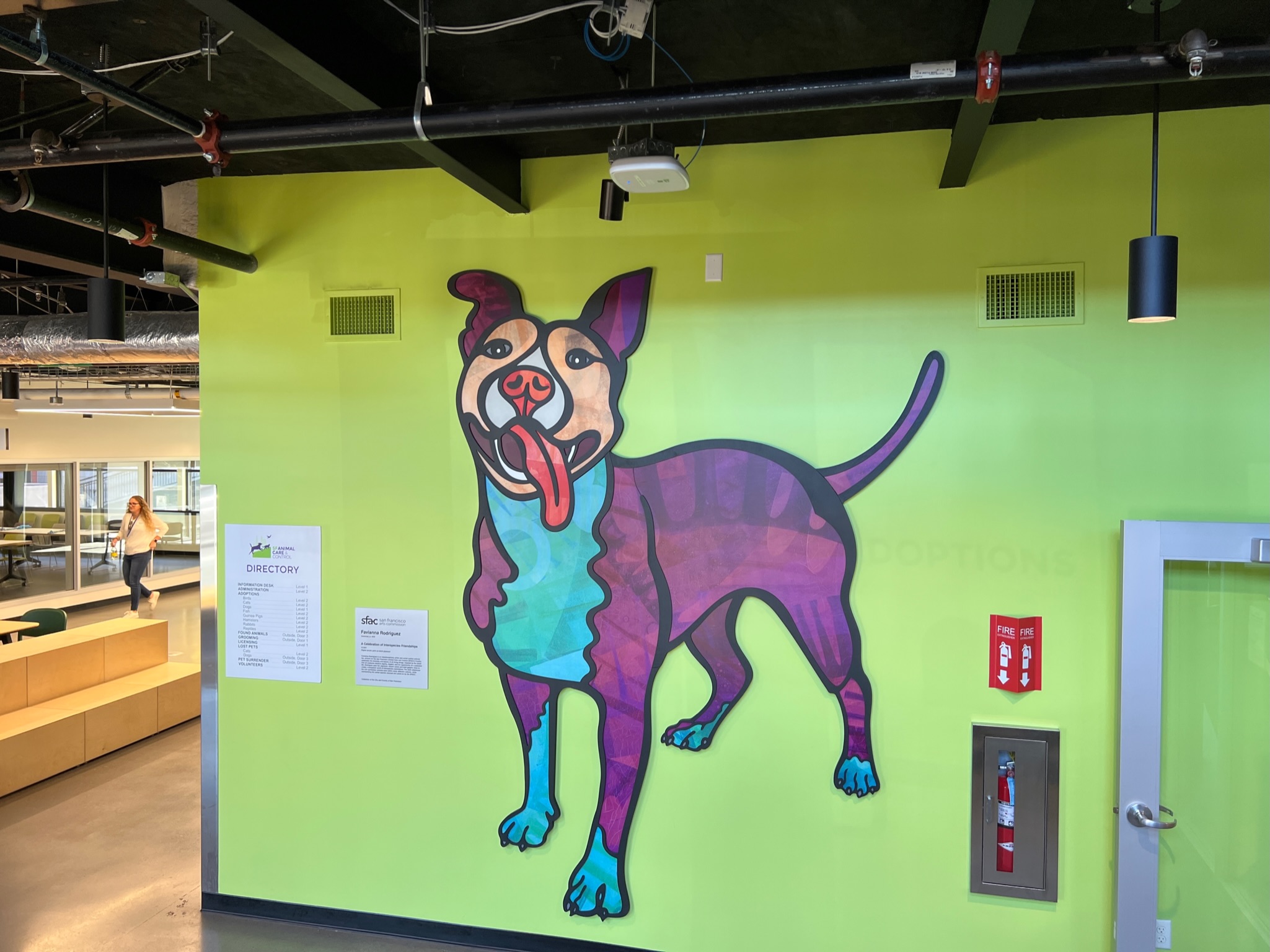
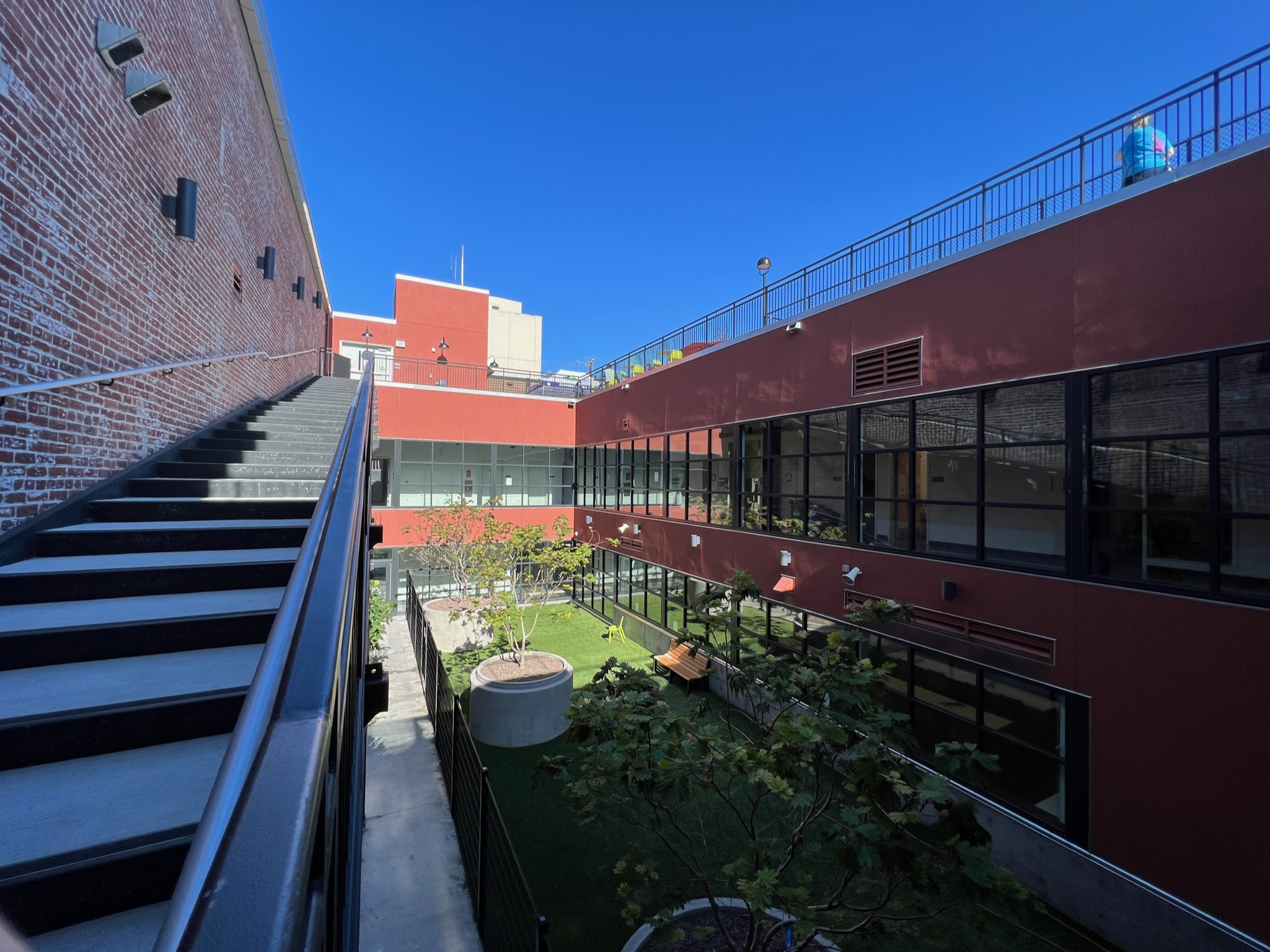
In April, 2022, San Francisco Animal Care and Control (SFACC) celebrated their one-year anniversary in the new building! As fate would have it, SFACC received a stray dog around the time of the one-year mark, who became a shining example of the amazing work that is done in this new building.

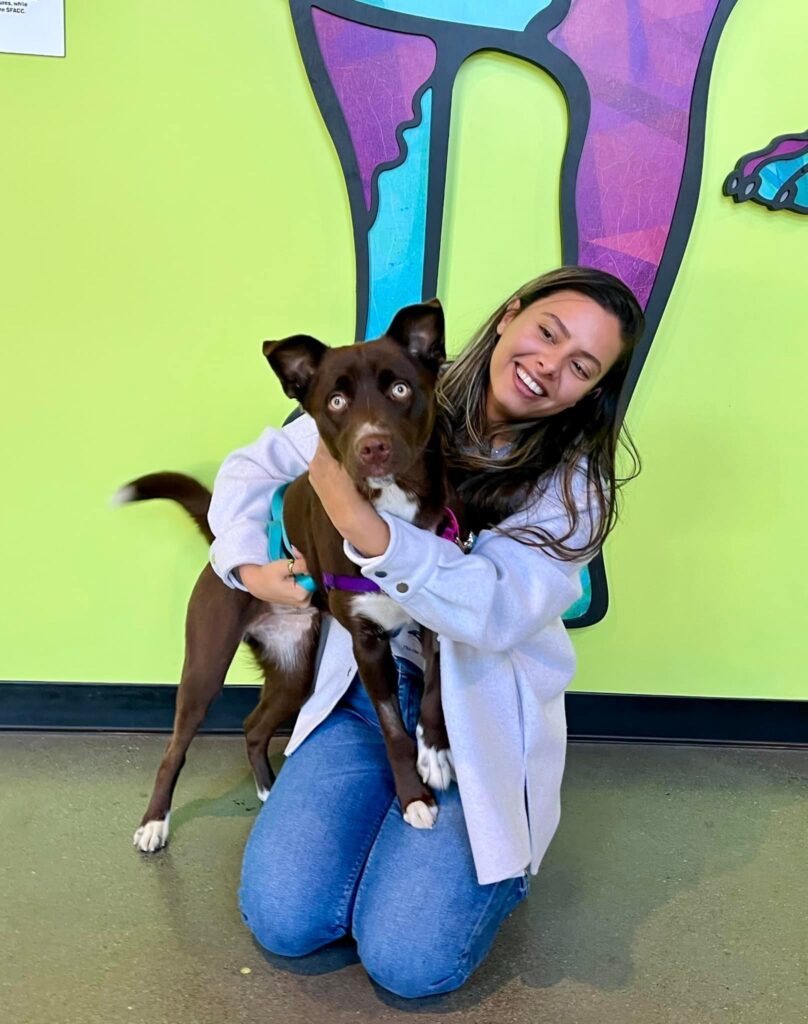
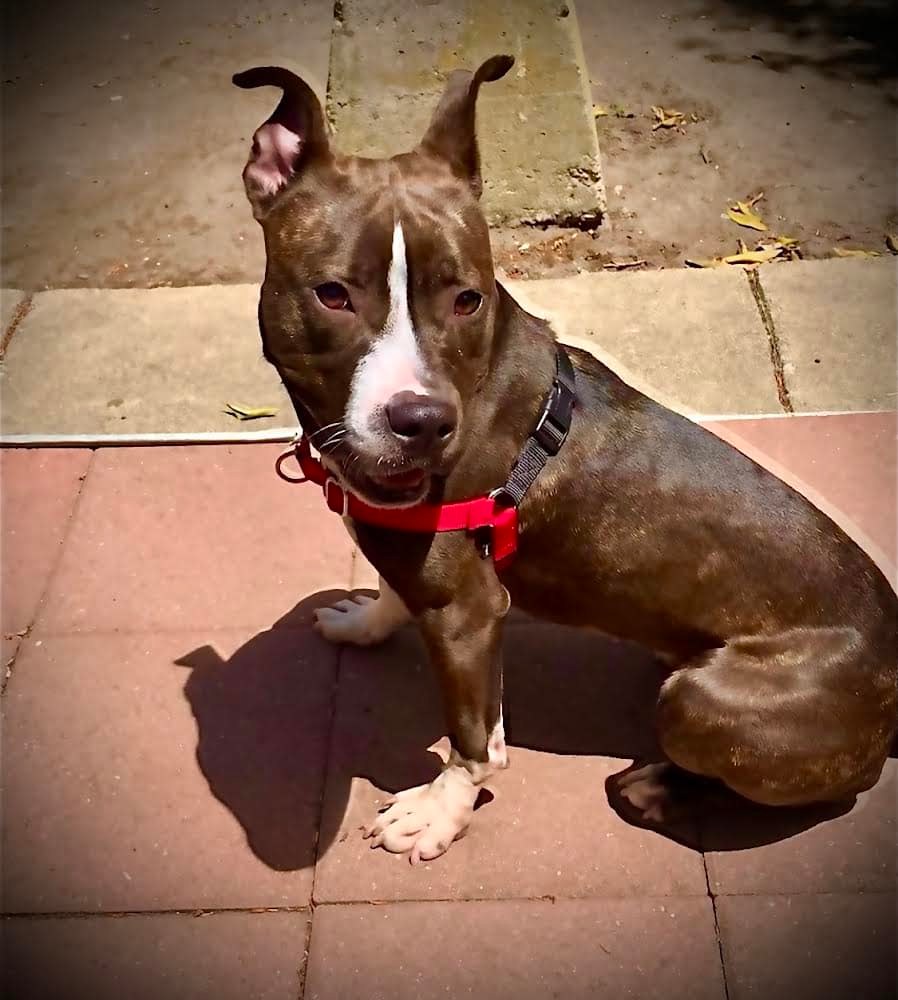
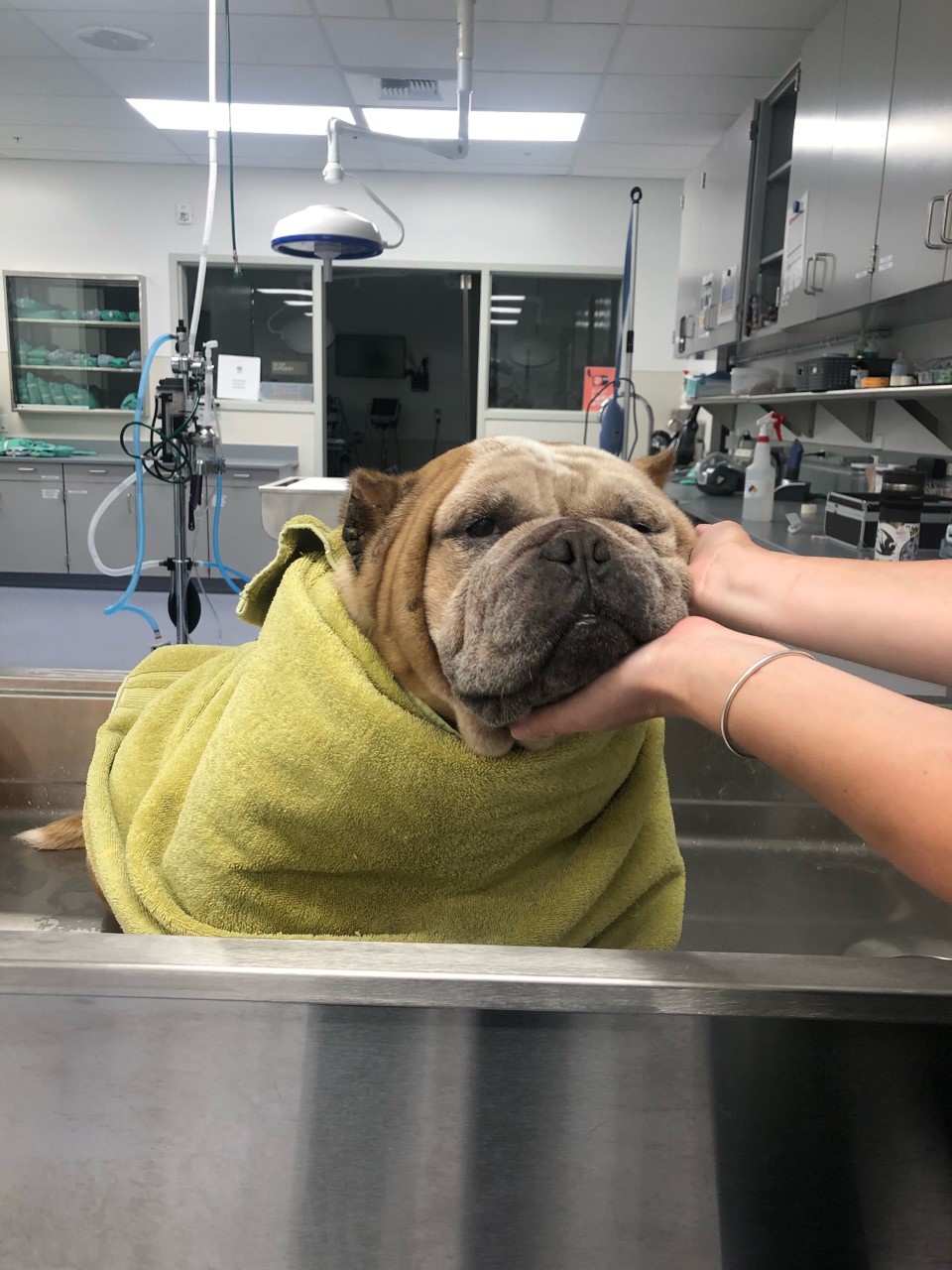
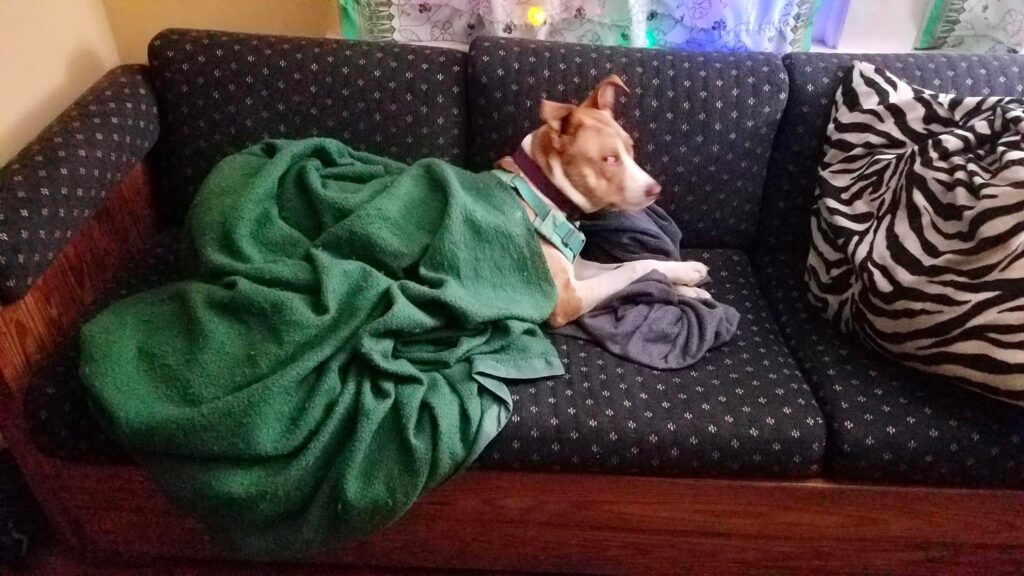
Teapot, as the team named her, is a short, stout little bully mix. Her body exhibited years of hard living; she arrived at the shelter with a skin infection, hair loss, horrifically inflamed ears that were swollen shut after years of infection, and a belly that dragged on the floor from years of breeding.

Teapot was a fixer-upper but the team at SFACC knew that beneath that sad exterior was a gem of a dog. The veterinary staff started her on antibiotics and ear treatments immediately, and the Behavior and Training (B&T) team gave her lots of socialization opportunities. The Animal Control Officers (ACOs) invited Teapot to sunbathe in the squad room during their shifts and admin staff welcomed her with open arms to shuffle through their offices with her signature hip-wiggling walk and snorty sounds.

Staff and volunteers put her on a schedule for spa services–long baths with medicated shampoos, gentle wiping of her wrinkles and ears, manicures and pedicures, ear treatments, and of course a deep tissue massage while that medicated shampoo worked its magic. In no time, Teapot started to bounce back, and it became apparent that the care and compassion at SFACC was the best she’d ever had.

After years of illicit breeding, Teapot was ready to be spayed but her difficult life had taken a toll on her little body. She suffered significant complications during surgery and lost a lot of blood. It wasn’t looking good, so she was transferred to the hospital for overnight care and monitoring.

The staff at SFACC was devastated and everyone was desperate for a solution. SFACC’s operation manager worked round the clock to finance a blood transfusion for Teapot at a reduced cost. Everyone was biting their nails until Teapot made it through the night, and there was a collective sigh of relief when she returned to SFACC on a gurney the next morning.

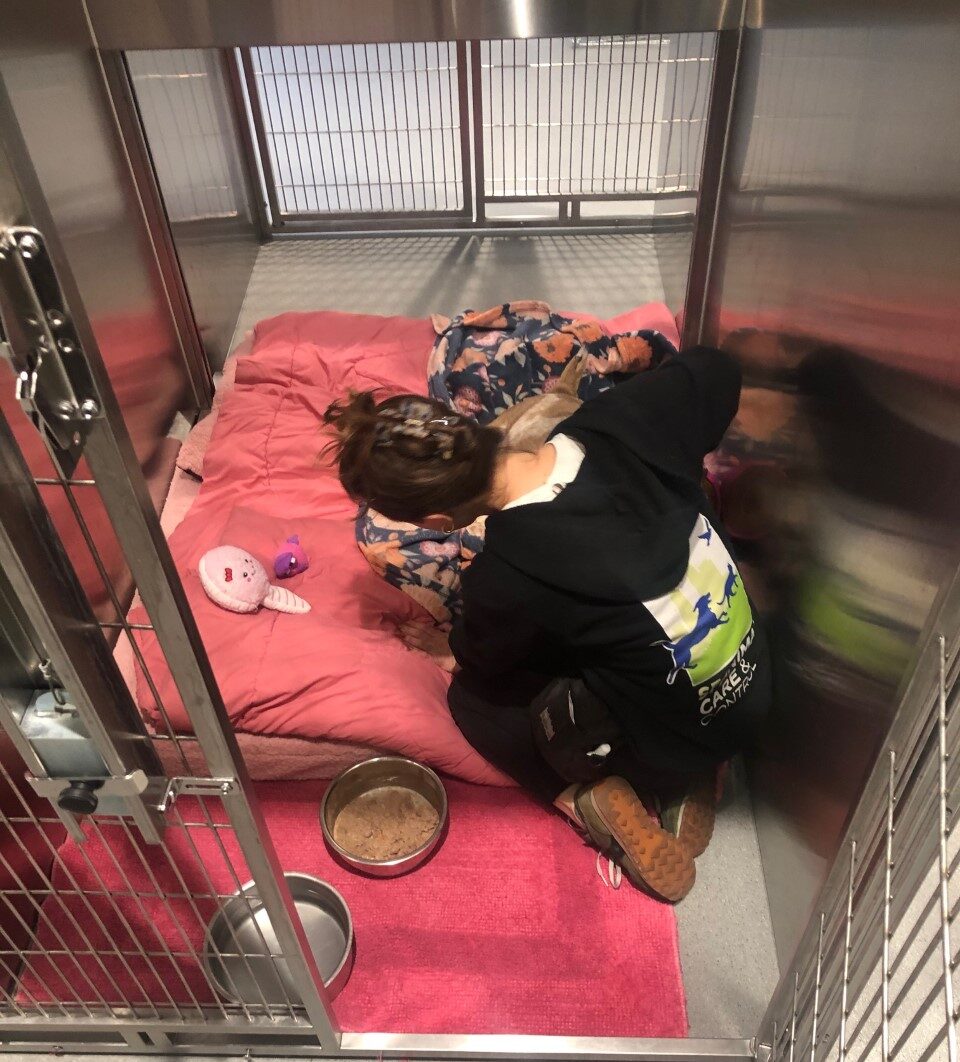
Staff set her up in a space so cozy that ACOs and volunteers were all caught cuddling with Teapot. Teapot’s kennel quickly became the place to take your lunch break and she was more than happy to host her numerous admirers.

A rescue partner was eager to take Teapot and get her started on her next chapter, but they also realized that after such a difficult surgery, some rest and recovery was imperative. Staff knew it would be best for her to recover in a home without the stress and noise of a busy shelter, and a superfan SFACC volunteer (and card-carrying member of Team Teapot) works with a local bulldog rescue and offered to let Teapot crash in one of that rescue’s foster homes. It was an unconventional arrangement that staff green lit because everyone was working together for the best situation for Teapot.

Teapot has spent the past two weeks falling in love with her foster brother, getting absolutely pampered, and this week she will be chauffeured to the rescue partner, courtesy of a longtime SFACC volunteer who is also a part of Team Teapot.

Some dogs really do involve everyone in their story as they make their way through the shelter and on to their next chapter. Teapot is one such example–multiple rescues, veterinary partners, and countless SFACC staff and volunteers poured their hearts into this dog, and she will go on to become a beloved and pampered family member thanks to their efforts.

Your generosity enabled us to intervene and help this sweet girl when no one else would. We hope you will join Team Teapot and make a gift to help animals like her today.

Thank you for your continued support!

With gratitude,

Lauren Weston
Chair, Board of Directors
Friends of San Francisco Animal Care and Control


April 2022

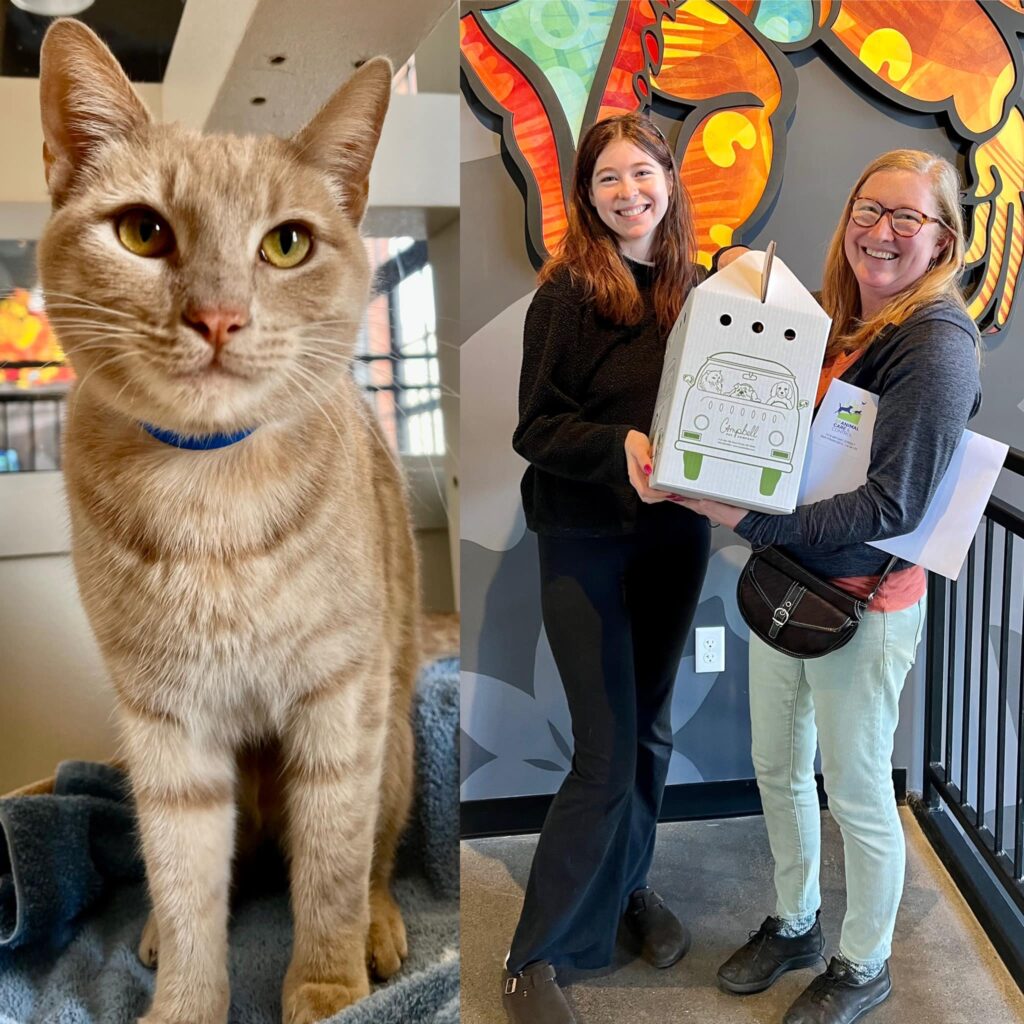
In April, SFACC had 61 adoptions: 15 dogs, 41 cats, 5 other species. In addition, there were 207 partner transfers: 61 dogs, 54 cats, and 92 other species.
Congratulations to all the adopters and thank you for adopting from your municipal shelter!

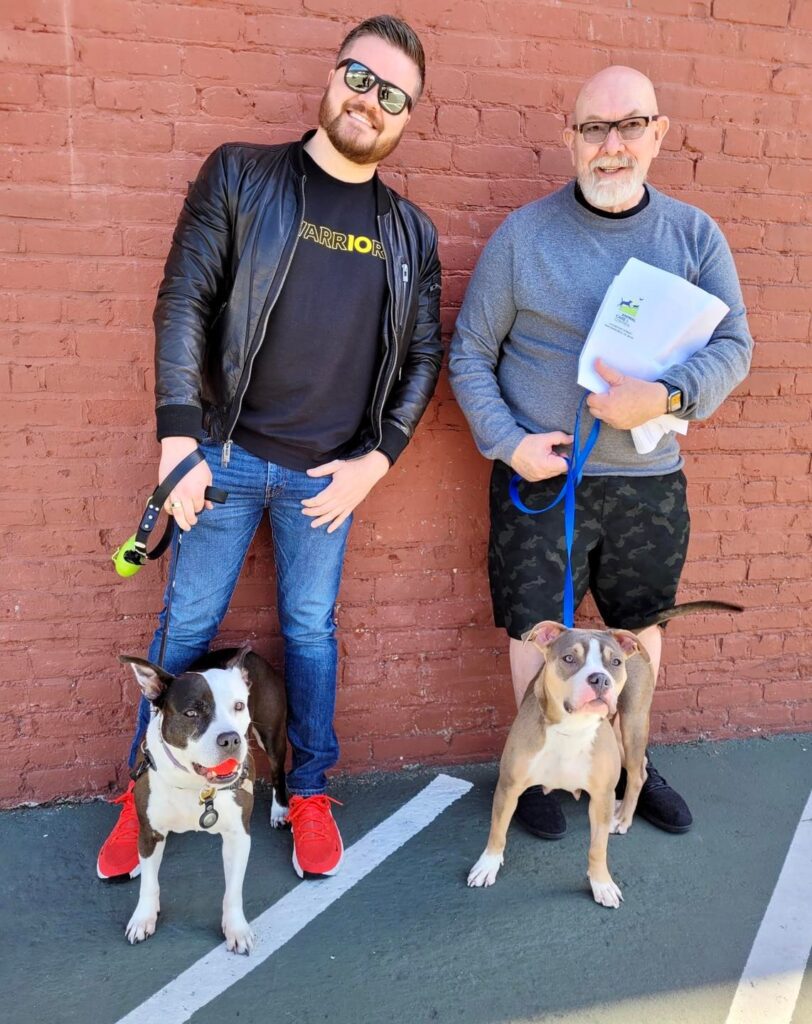
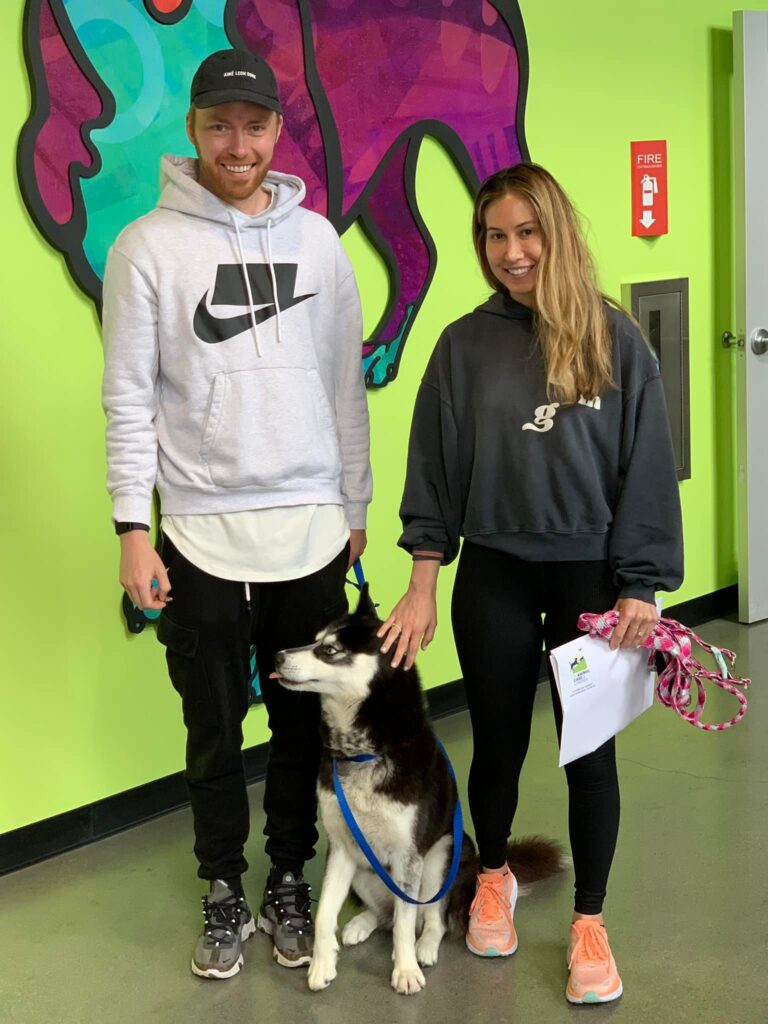
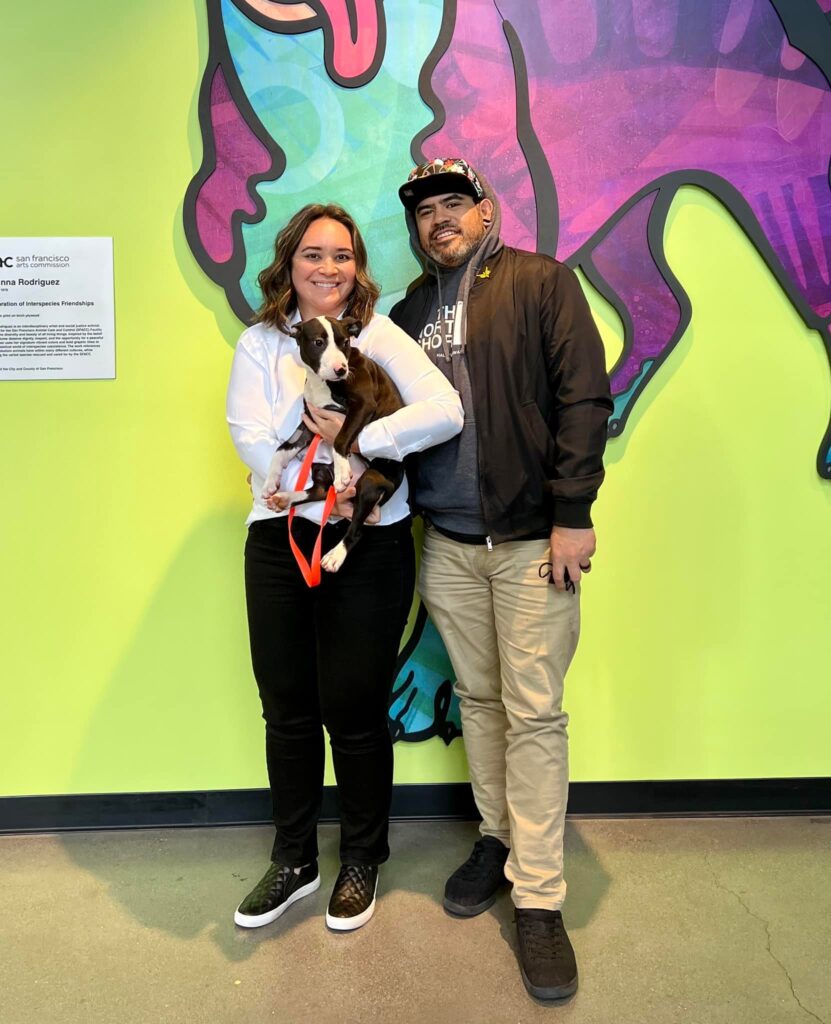
Sweet girl Heidi (now Emmy) has been adopted by a longtime adoption assistant volunteer. She’s helped with countless adoptions and finally met her own forever pup. Congrats to both!

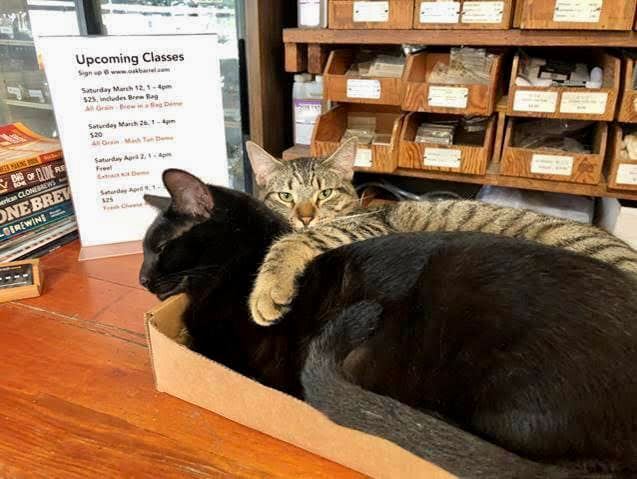
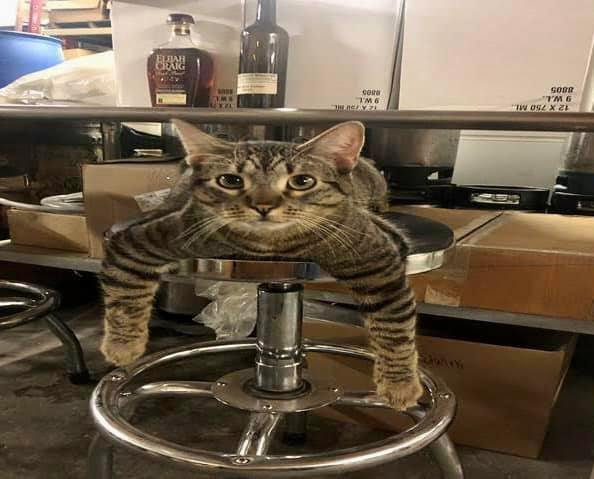
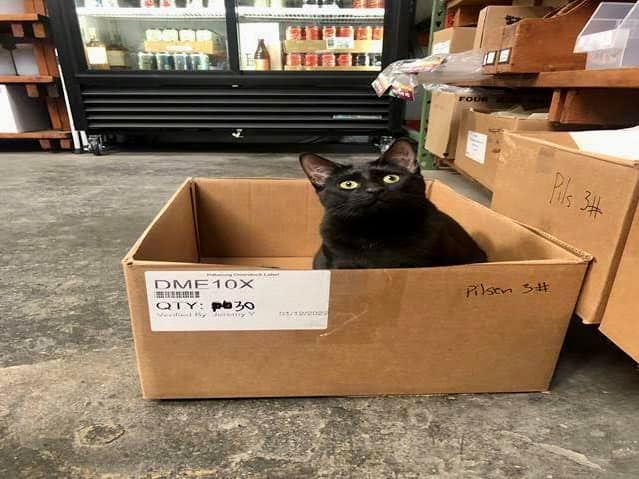
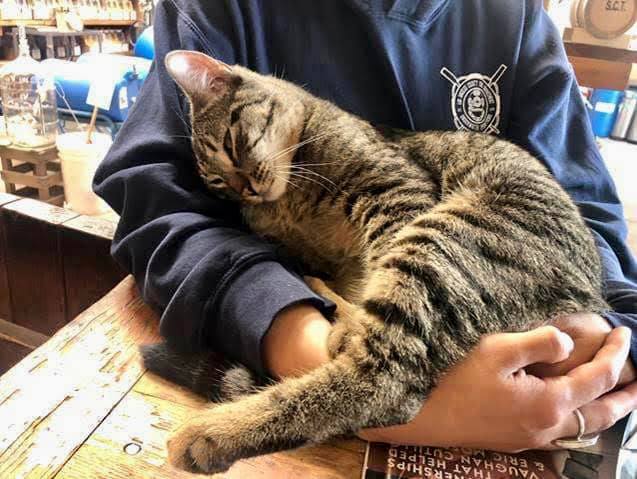
Adoption update! Bonded pair Vito and Ducky were adopted in February and we already have an update about how they’re doing in their new home at Oak Barrel Winecraft.  “Thought you’d like to see how well Vito and Bucky are doing. They are now known as Birdie (stripey kitty) and Carl (house panther). They have completely won over every customer with their adorable personalities. They settled in very quickly and seem very happy! Thank you all for all that you do for all the critters!”

Update: “I adopted Nala in late January, 2022, becoming her third and forever home in Marin County. She initially had some abandonment anxiety and didn’t bark at all. After she got used to her new surroundings and realized this was her forever home she started to bark (when appropriate). She loves to run on local trails and cuddle on the couch.
Her favorite recreation spot is the local dog park, where she loves to tussle with other dogs her own age. She is enrolled in obedience class, where she has proven to be a quick study. Nala is a loving and loyal companion – a real sweetie.”

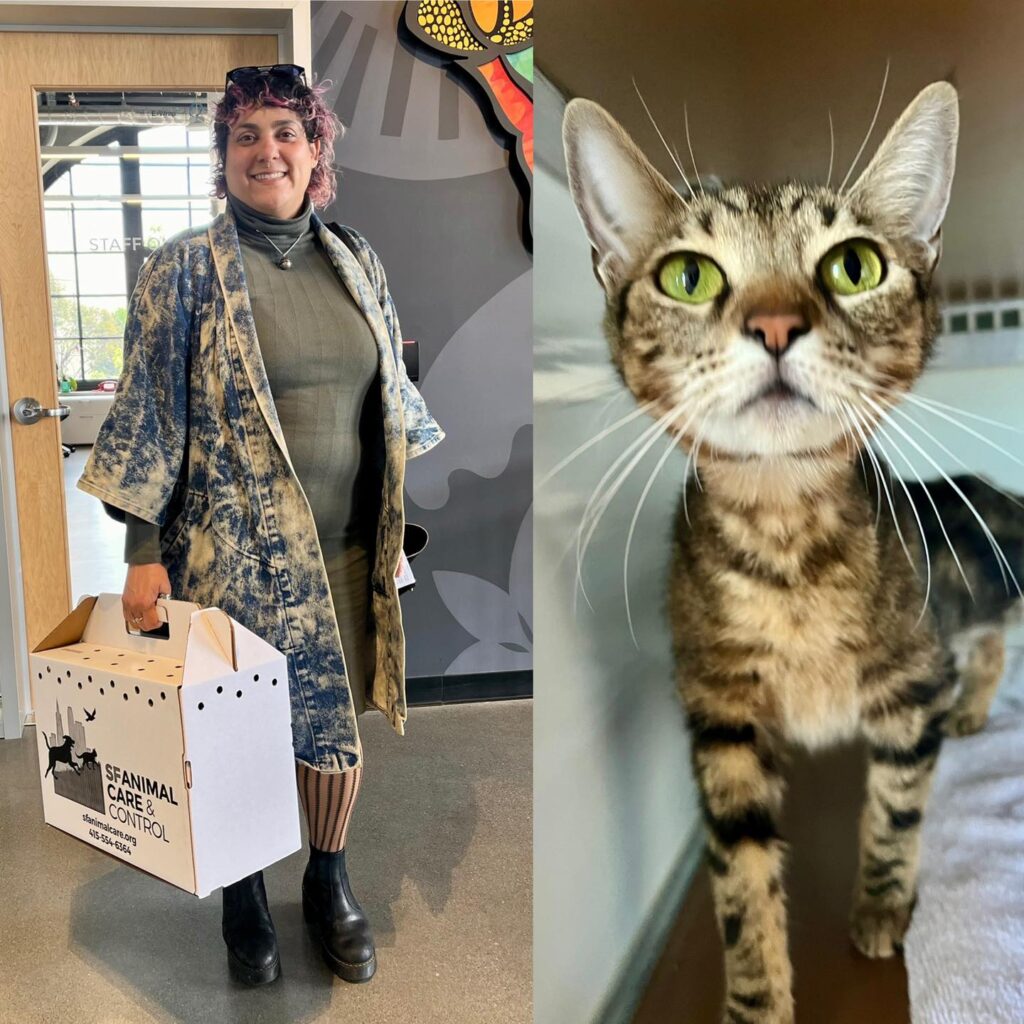
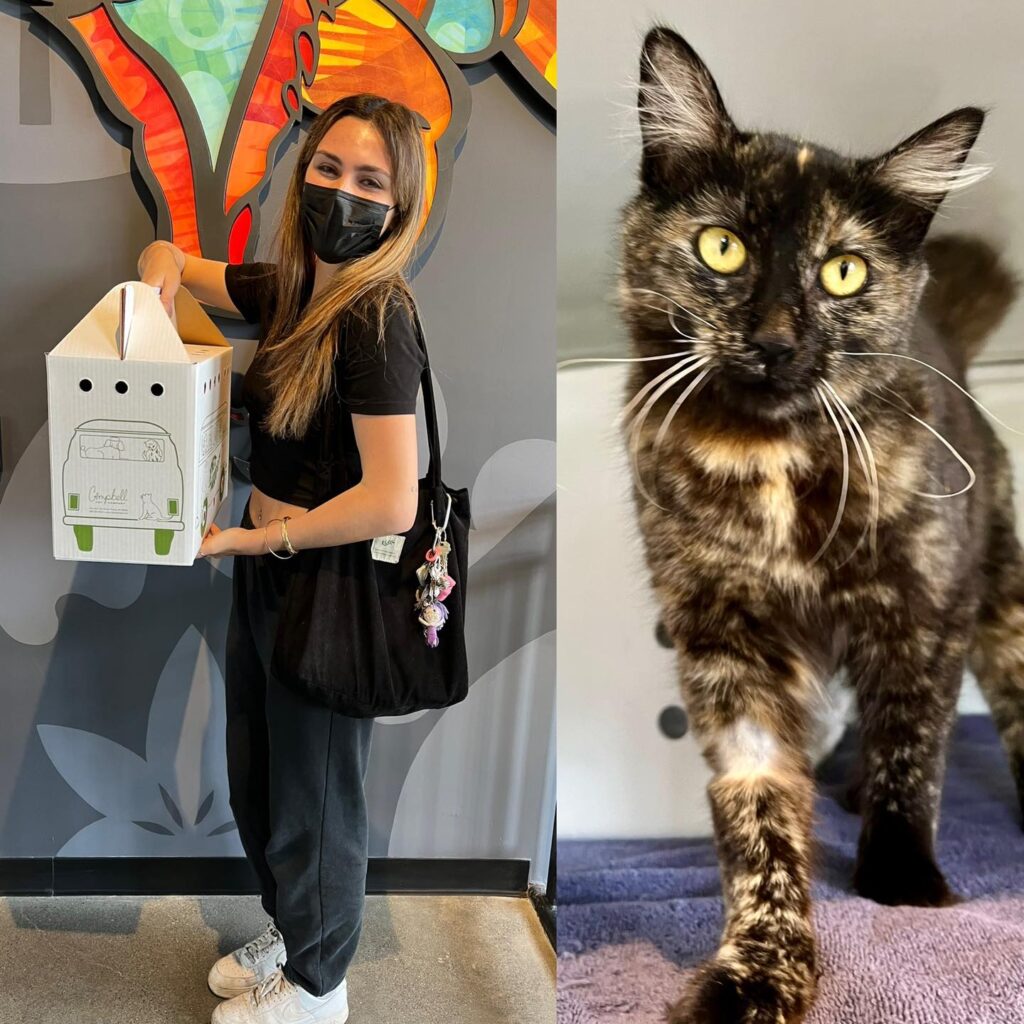
Tortie beauty Miranda packed up her amazing ear floofs and left with her new mom! Congratulations!

Sweet little Budgie has flown the coop! Happy tails cutie and send us updates!

Charming Bobby has gone home to live with a dog sibling! Happy tails sweetie!

Adoption update! Mikey was adopted in 2012 “and is doing well.” He has several cat siblings, including one who always sleeps with him.

Gavin Rossdale

Ambrose

Ember has been adopted by one of our adoption-assistant volunteers. Congrats!

Finn

Sweet Sabina has been adopted. Here she is (R) with her playgroup buddy Olive (still available!).

SprinklePuff!

Bay

An Opossum Tale and WildCare

By Katy Jones
Adoption Partner Transfer Coordinator
Acting Supervisor of Behavior & Training Division

Around early March, I was having lunch with a friend on his patio up in Marin. I noticed something out of the corner of my eye, motionless and on the ground–a baby opossum! My first thought was one of sadness. The opossum looked deceased. I got up to get a better look, and the opo didn’t seem to be moving. Then I had another thought–opossums pretty much invented playing dead. Duh. Some animal professional I am!

I watched the opo closely from a distance for a few minutes and sure enough, he started trying to move away. He was alive and just playing possum! I went inside and grabbed some gloves and threw a dishtowel in the microwave for thirty seconds. I found a small cardboard box and headed back to the patio.

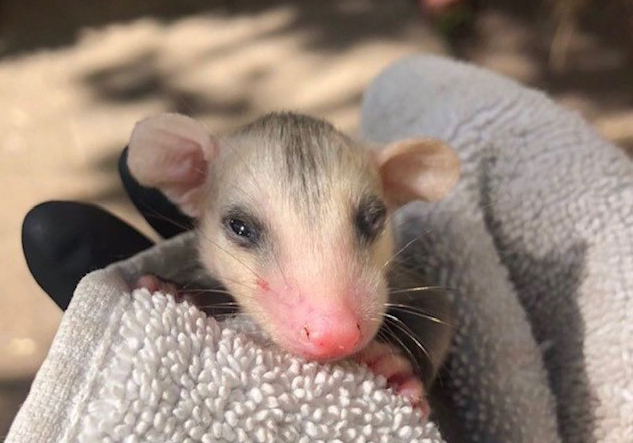
This little guy looked to be at an age where he would be riding on Mom’s back. Once opossums graduate from being in the pouch, they often ride on their mama’s back for a while. I suspected this kiddo fell off at some point as he didn’t appear to have any injuries aside from a small scratch on his face. While wearing gloves, I gave him a quick once-over to make sure he didn’t have any obvious injuries and then I tucked him into the box with the warm towel and closed up the box.

When interacting with wildlife, it’s really important to keep things as low stress as possible. Don’t try to feed them, and don’t try to interact with them much–it’s best to leave that to the rehabbers. Since I was in San Rafael, I knew I could call WildCare, which was just a few minutes away. From working at SFACC, I know that WildCare does some wonderful things for orphaned mammals in the community. I gave them a call, and sure enough they welcomed me to drop the opossum off.

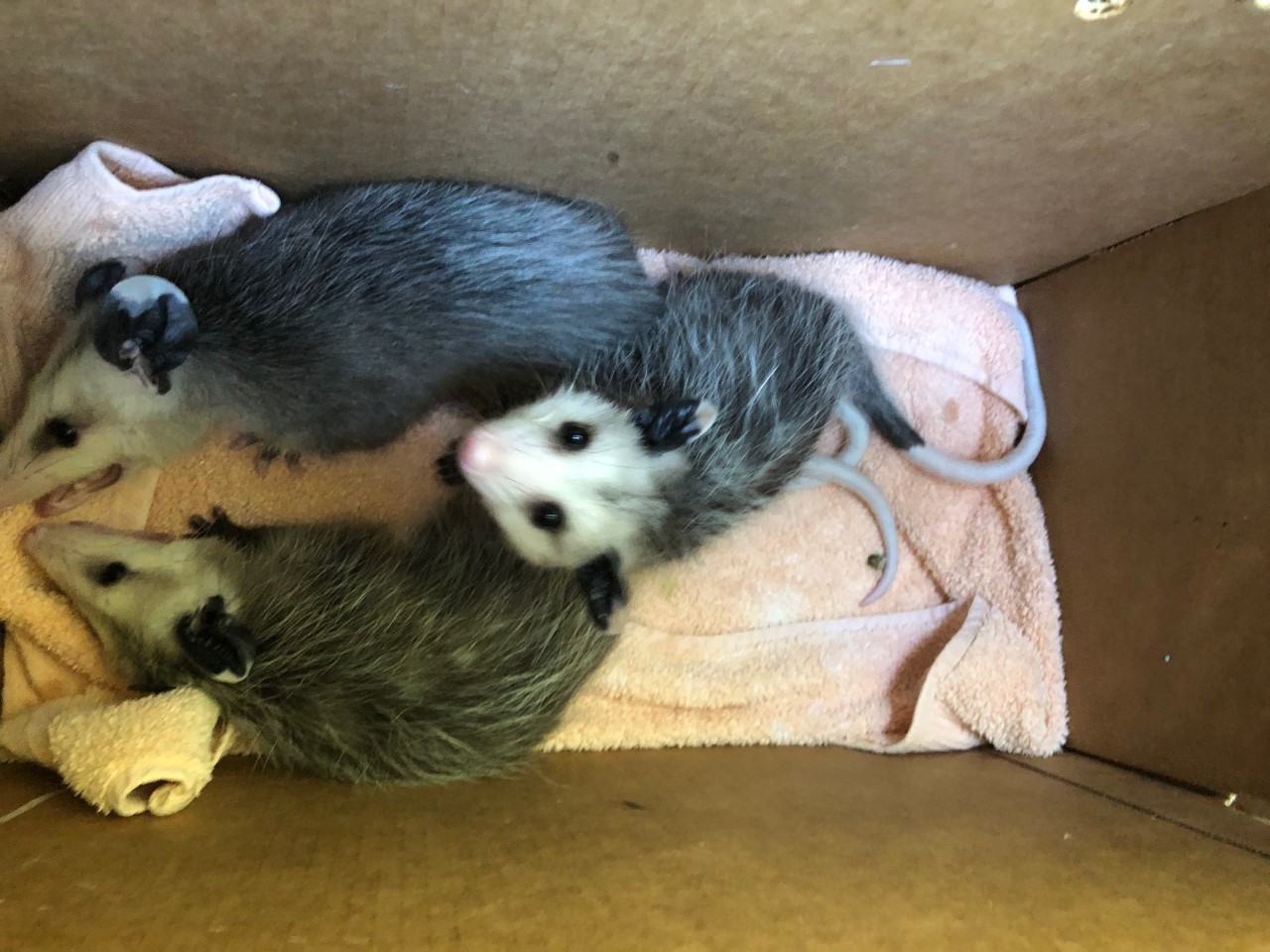
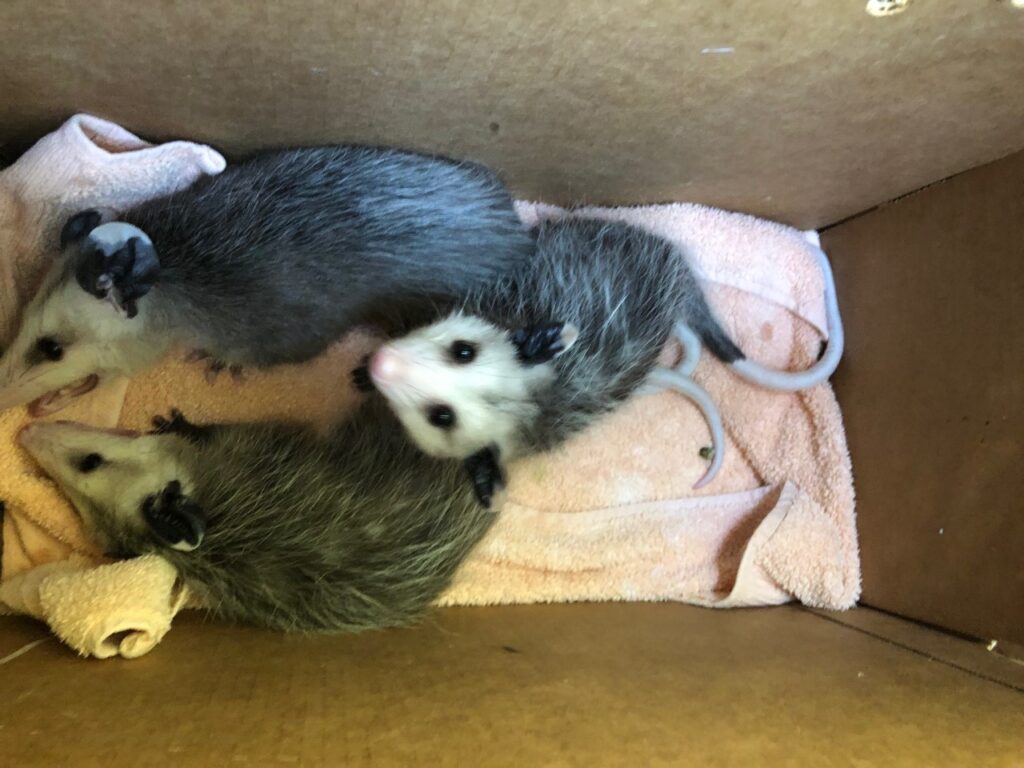
I dropped him off, collected his ID number so I could follow up, and left. The weeks went by, and I’d all but forgotten about my chance encounter with the wee one. Until last week- WildCare called me to let me know that my little orphaned friend had grown up to be a spirited adolescent and was ready for release to the wild. And he’d made five friends! These six orphans formed their own little band of buddies, and WildCare wanted to know if I would be up for doing their release into the wild.

I was so excited! So often at work, I see things on the front end- we get in these types of animals and triage accordingly. I have sent off plenty of wildlife to rehabbers, but I never get to be a part of the end of the story. I eagerly agreed to handle the release of all six of the little buddies and made arrangements to pick them up at dusk the following day.

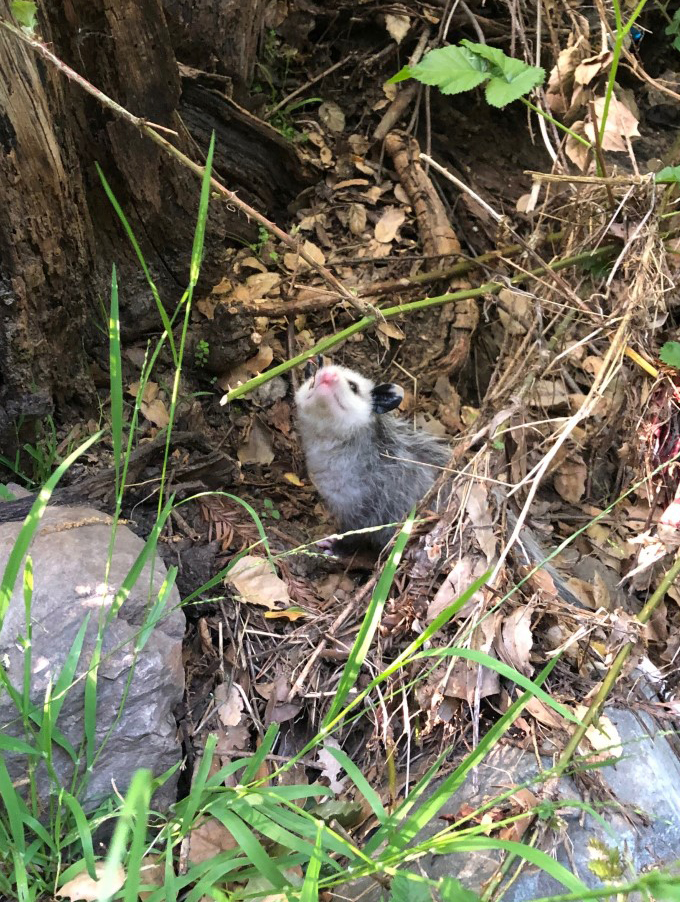
The folks at WildCare emphasized how to scout a good place for release and after some poking around, I found a great spot. There’s a college campus near my friend’s place in San Rafael, and it’s lush and filled with hiking trails. As the sun set, I weaved through the campus, looking for the perfect place. I found it! Down a small hill, parallel to the hiking trail was a creek bed. The creek was dry, but there were blackberry bushes, iv –so much great cover for my little opossum buddies to hide in while they got their bearings. And the vegetation looked so lush, I knew there was a water source nearby. This was my spot! Low foot traffic (I had to shimmy through some thorny blackberry bushes to access this location), well protected, away from roads, it was perfect!
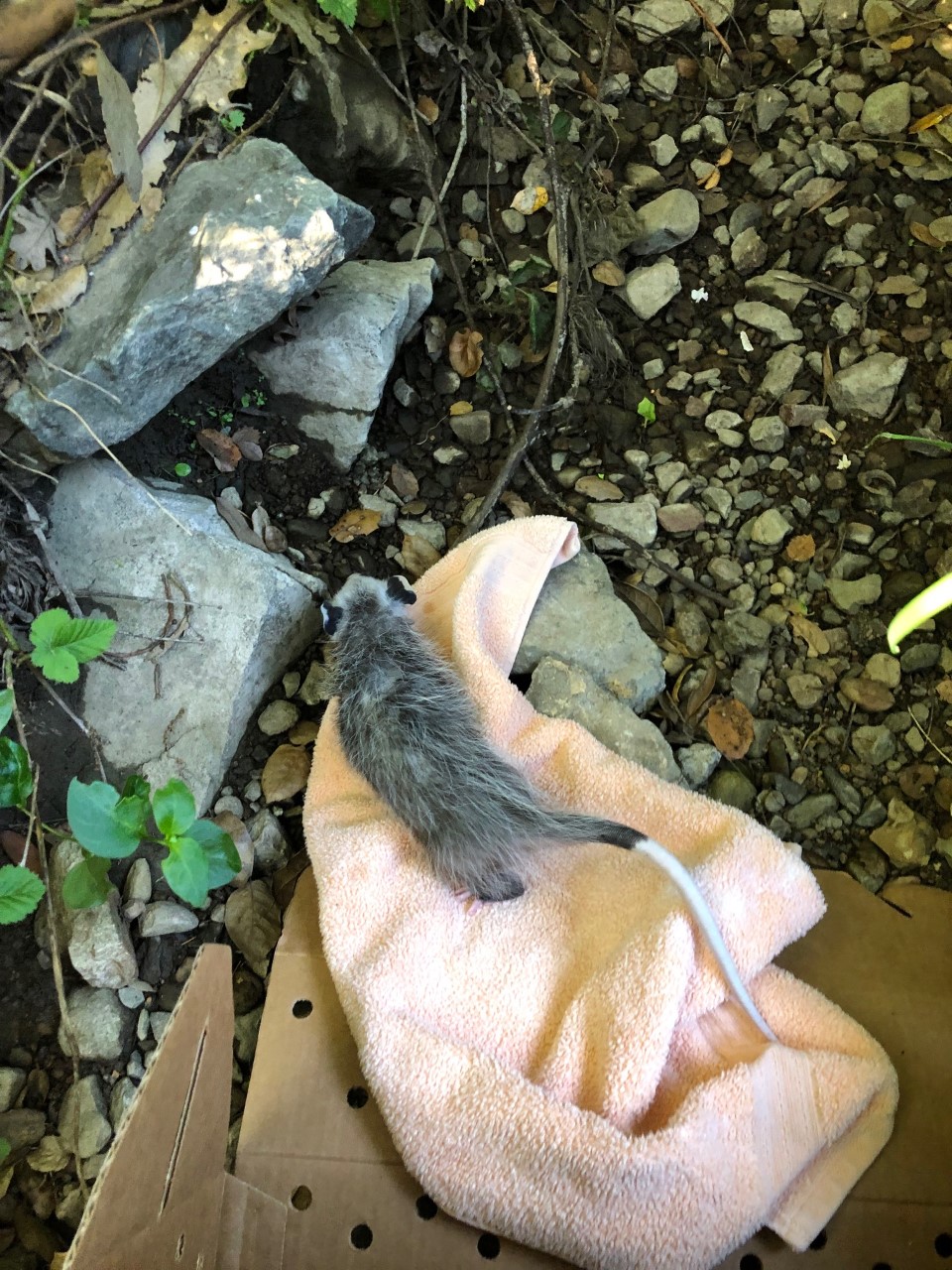
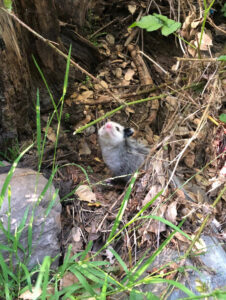
I opened the first box and all three of the opos dashed out eagerly and disappeared into the brush. I barely had time to snap a photo! The second box was a bit different–two dashed out, and I wondered about the third. I checked in the box and there he was, snuggled into the towel that WildCare had lined the box with. Oh buddy. The towel is nice but you’re no housecat!

I gingerly removed the towel and opossum and set them next to the vegetation. With some quiet cheerleading, my little straggler worked up the gumption to start exploring. He spent several minutes checking out the ivy, foraging in the dirt, and posing for the camera. Eventually he decided he was, in fact, a wild animal, and he scuttled off into the brush.
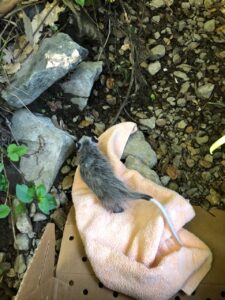
It was really a treat to be part of this aspect of animal care and not something I get to do very often. It was even cooler to get a chance to participate in this aspect of animal rescue as a civilian! It made me appreciate all that WildCare does, and I think it’s really special that they involve finders in the release of wildlife. It’s a great way to nurture the public’s interest in wildlife and helps usher in the next generation of animal advocates–a lot of kids find these baby animals and getting to do their release with their parents must be a really special experience.

So lovely to experience WildCare from a different perspective!


Fun opossum facts: newborn opossums are only about the size of a honey bee. Young opossums will stay in their mother’s pouch for around 80 days before they are mature enough to scavenge on their own. What do adult opossums eat? On the positive side, opossums eat insects (including ticks, cockroaches, snails, slugs), and can decrease the number of these pests. They are omnivores, so they’re also be attracted to pet food and compost so keep your bins closed and pet food inside!
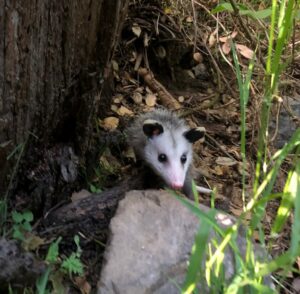
If you find an injured or orphaned wildlife, Call WildCare in San Rafael: (415) 456-7283 (SAVE). Operators are available from 9 a.m. to 5 p.m., 365 days a year. After 5 p.m., for wildlife emergencies only, call WildCare’s Wildlife Emergency Nightline at 415-300-6359.

You can also call San Francisco Animal Care and Control’s emergency dispatch number: (415) 554-9400. You can bring injured or orphaned wildlife to SF ACC at 15th St. @ Harrison. Calling first is helpful, but not necessary.

Small Animal Volunteers Have Big Hearts

By Lisa Stanziano
Newsletter Editor/Dog Volunteer

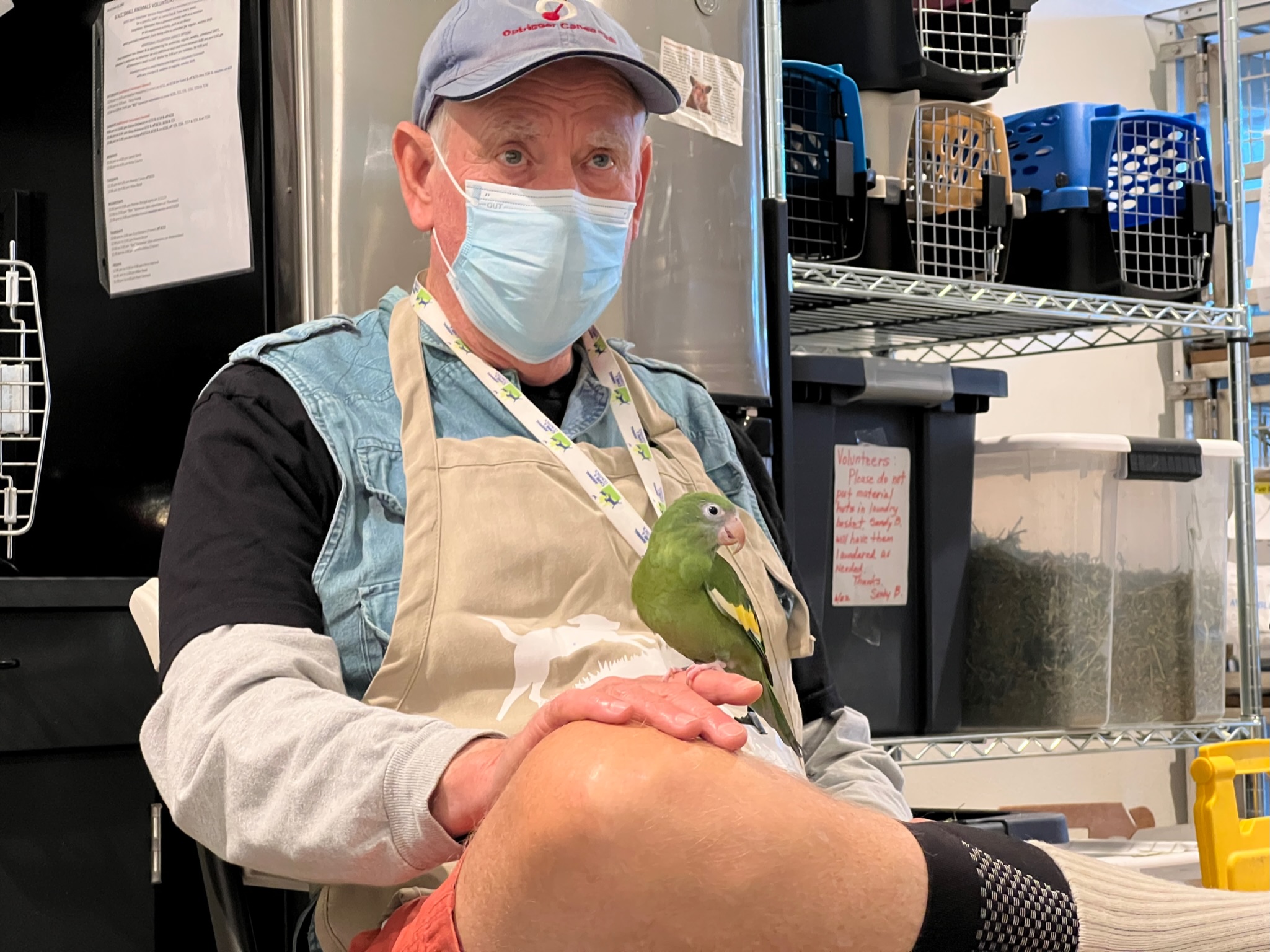
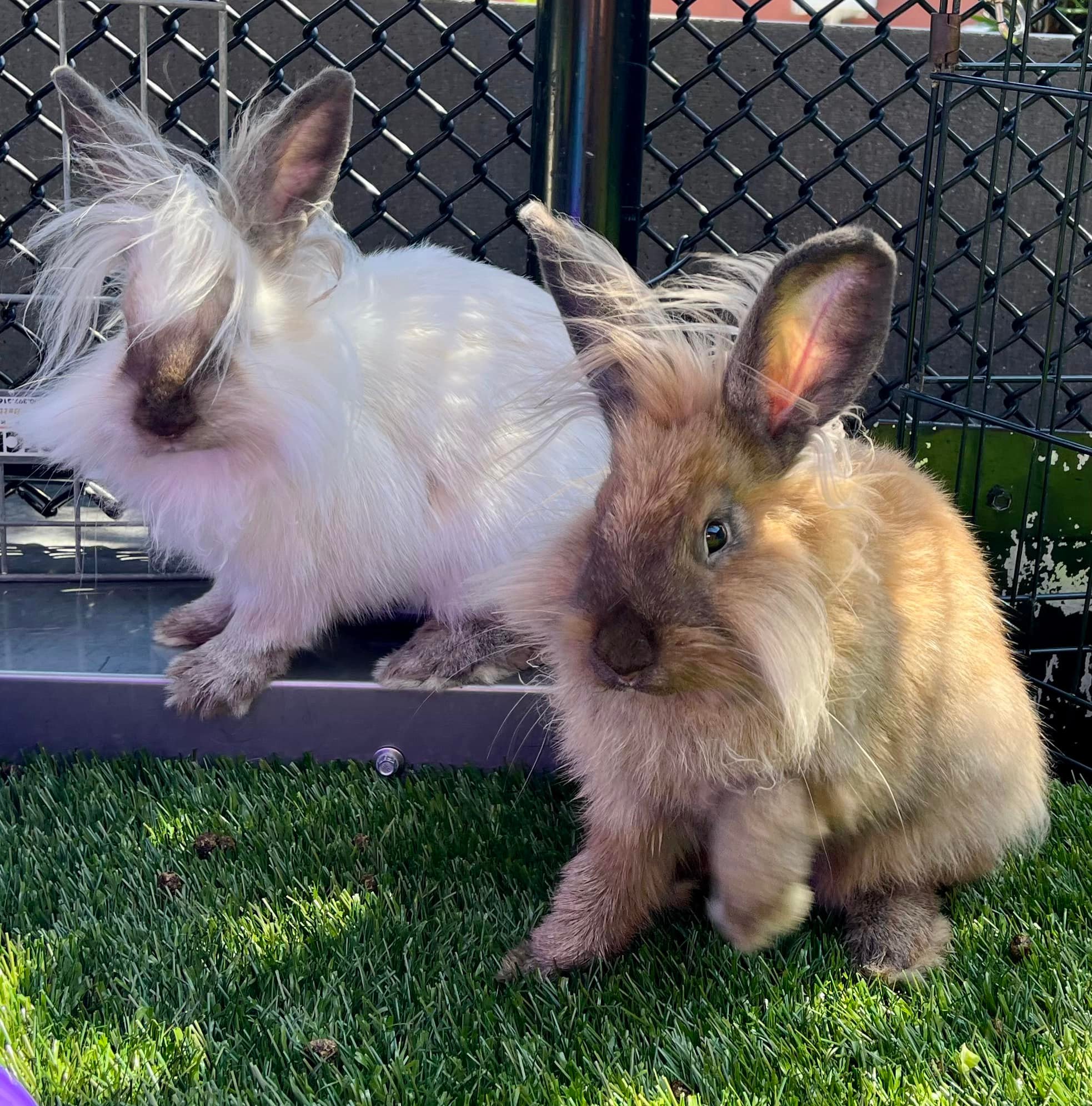
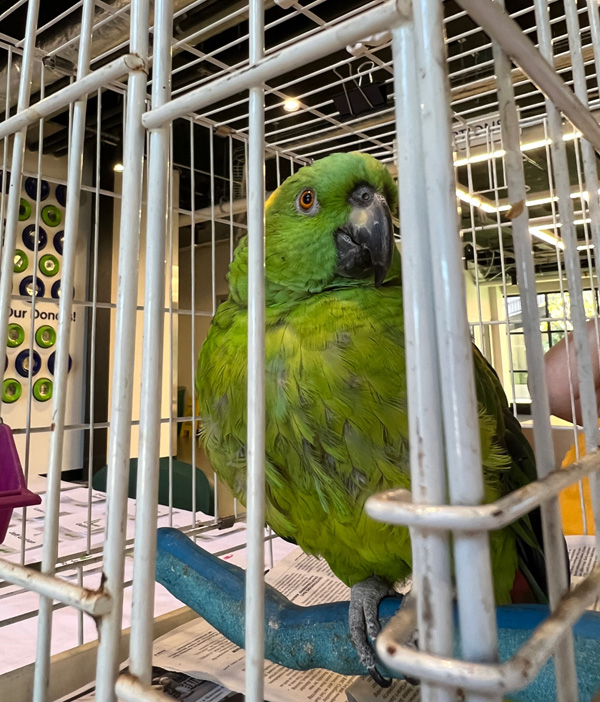
On the second floor of the shelter, you might see a volunteer in an apron holding a guinea pig in his lap and brushing it. A couple of bunnies are nibbling hay and hopping through a pink tunnel toy on the floor, in a temporary corral-style pen. Rabbits and guinea pigs of various sizes relax in their cages.

The new spacious building has three separate rooms to house small animals other than cats and dogs: one room for reptiles and amphibians, one for birds, mice, hamsters, and rats, and the largest one for rabbits and guinea pigs. The new building is also notable for having a rooftop yard exclusively for rabbits–in the old building rabbits used the dog yard only on Thursday afternoons! Volunteers generally take two or three at a time to give them fresh air, and space to hop and play.
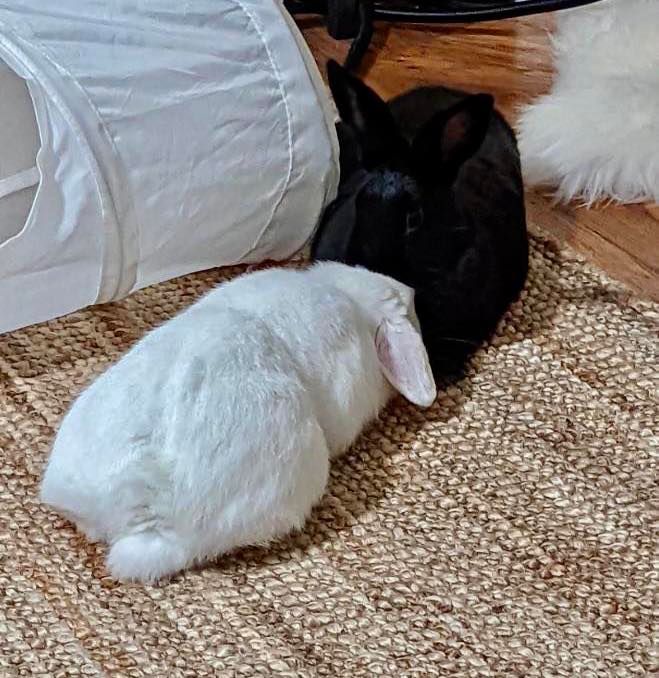
Kirby Counts, an experienced volunteer, fills me in on what happens when small animals are surrendered or found as strays. “First they go through a holding phase to allow them time to destress and be evaluated by the staff. Rabbits are generally spayed/neutered and given RHD vaccination before they’re adopted (2 shots, three weeks apart). Sometimes we take in bonded pairs and in that case, the pair must be adopted together. Rabbits and guinea pigs are individuals, and have unique personalities. They’re as resilient as cats and dogs, and can become more social when given attention and care.”

Volunteers like Kirby and his cohort on Monday afternoons, Sandy Barth, routinely handle the “smalls” at SFACC to socialize them and give them time outside of their cages. They carefully supervise animal interactions and gauge the compatibility of the animals—both for playtime at the shelter and for adopters who have other pets and are looking for a companion. The volunteers also have a wealth of knowledge about basic care and health of the animals. They often share observations with the shelter vet staff and help the animal care attendants advise adopters.

Most people are familiar with the basic needs of cats and dogs, but not everyone knows that in some ways, rabbits are more complicated. For example, bunnies have fragile digestive systems; they require specific kinds of food and hay, and chewing material to keep their teeth from becoming overgrown.

You might think of small animals as good “starter pets” for kids, but the truth is that an 8-yr-old adopting a guinea pig, rat, rabbit, or parakeet is as much a commitment for the parents as it is for the child. Luckily, the entire family receives an education from the staff animal care attendant or volunteer helping them meet their potential pet.

Sometimes people come in when one of their pets passes and they want to adopt a new friend for the remaining pet. Just as SFACC requires folks to bring in their dog if they are looking to adopt a sibling, they are encouraged to do the same for rabbits, guinea pigs, and other animals, so that experienced volunteers or staff members can observe them together. A very important point: make sure the siblings or the adopted pair are the same sex; otherwise you might have an unwelcome surprise in a few weeks!

SFACC can always use hay-based treats and plain wood pieces, i.e. unpainted toy blocks are great!

Test Kitchen Tuesday: Success with Doggie Playgroups

By Katy Jones
Adoption Partner Transfer Coordinator
Acting Supervisor of Behavior & Training Division

Nope, it doesn’t involve food or cooking. 

On Tuesdays, we Test Kitchen! Every Tuesday, members of our behavior & training staff partner with our Fetch volunteers to offer socialization opportunities to available dogs and unavailable dogs. Working with unavailable dogs in a playgroup capacity is an exciting new step for everyone—it allows us to use other dogs and play to build confidence and skills in dogs that would otherwise not be receiving this type of engagement. 

One of our greatest beneficiaries of Test Kitchen Tuesday (TKT) is a young dog named Tristan. Tristan is a hearing-impaired, adolescent Aussie mix who came to SFACC in early February as a stray. When Tristan arrived, he was incredibly shut down and presented as almost feral—he could not be touched, wouldn’t leave his kennel, and spent the majority of his days hiding under his Kuranda bed or pressed against the far back wall of his kennel. Tristan’s quality of life was very poor in this state. 

Over the course of a few weeks, Fetch and B&T made great efforts to work with Tristan at his own, glacial pace. Upon noticing him coming to the front of the kennel when other dogs walk by, I opted to sit in front of Tristan’s kennel with dogs known to be social with other dogs and people. And wouldn’t you know it—Tristan began to come out of his shell. 

Tristan was able to make friends with another SFACC dog resident, husky mix Winterkin. With regular play sessions, and tandem walks throughout the shelter, Winterkin was able to help Tristan relax and embrace his fun side (and learn to walk up stairs too!)

Tristan and Winterkin benefitted hugely from having TKT every week to play and let loose. Social opportunities for dogs can help reduce the stress that is inherent in sheltering, and Tristan and Winterkin beautifully exemplify the healing power of play! Tristan quickly began to win the hearts of staff and volunteers alike and was adopted yesterday by a member of our B&T staff! He’s settling in well at home. His new name is Lemonade—because when life hands you a lemon, you send that lemon to playgroup to sweeten up! Hah.

Check out Lemonade and Winterkin (aka “Winnykinny”) playing. Winterkin was adopted through our rescue partners Welcome Home Sanctuary and he’s living  the life in the Santa Cruz mountains.


Another Test Kitchen Success Story…

The cute pittie wearing the coat in this playgroup video with Tristan and Winterkin is a dog Katy found in front of her house one night: “She had had puppies and was dumped in the park near where I live. I brought her inside and set her up for a sleepover and then took her to SFACC the next day. She was a star player in TKT but needed some confidence building—she went to a great foster through Grateful Dogs Rescue and I believe is being adopted! So just a win/win/win!” 

Editor’s Note:
B&T Acting Supervisor Katy Jones recently completed the winter course with Shelter Playgroup Alliance, a group of folks that support healthy interdog relations in shelters and is positive-reinforcement/science based. The winter cohort is a four-month course for shelter workers, dog trainers, and anyone looking to beef up their knowledge of canine body language and conspecific social behaviors.  Learn more about Shelter Playgroup Alliance