May 2021

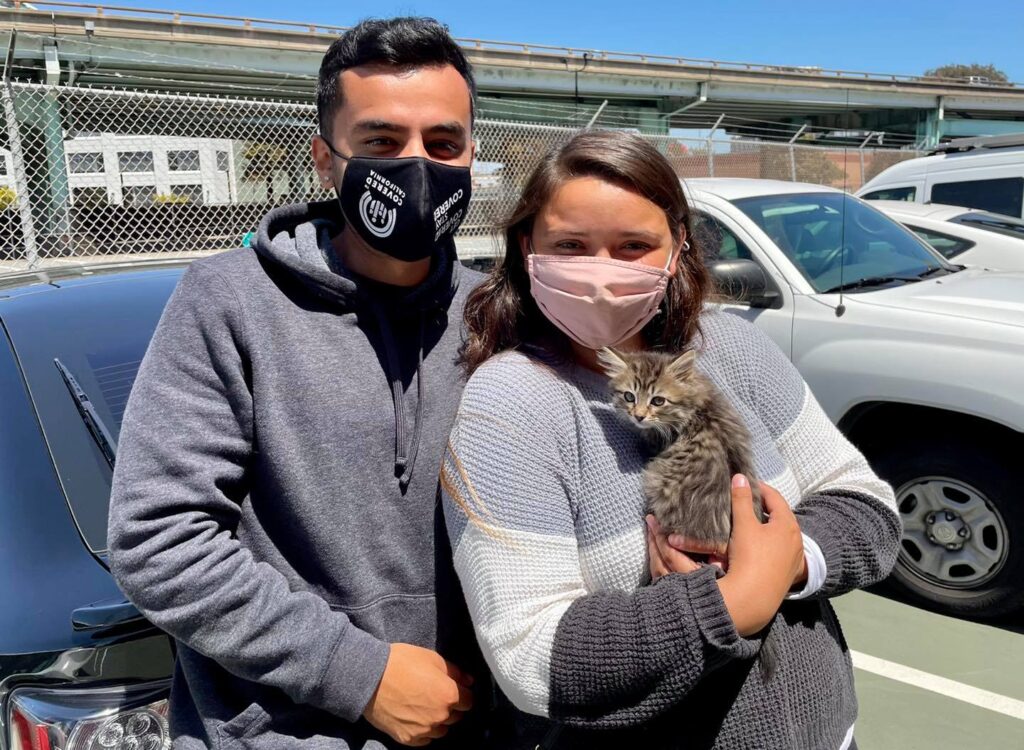
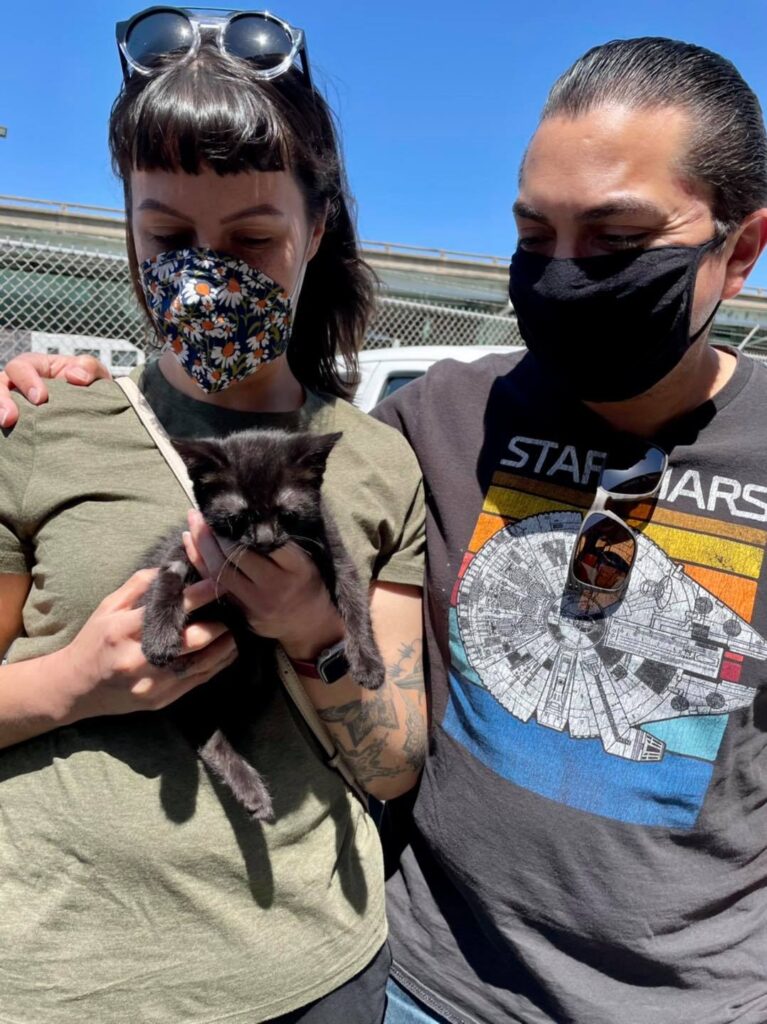
In May, the shelter directly adopted 49 animals in May: 30 cats and kittens, 3 birds, 4 dogs, and 12 small animals (guinea pigs, rabbits, and hamsters). SFACC transferred 251 animals to our rescue partners (53 dogs, 95 cats, and 103 other species). Thank you to all our fosters, adopters, and partner organizations!

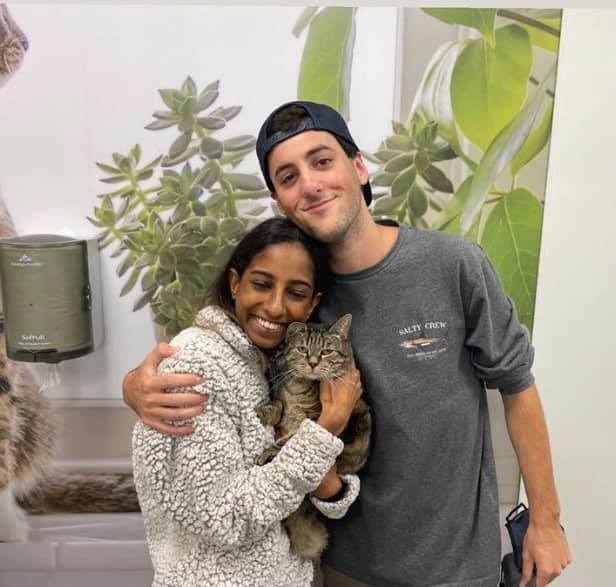
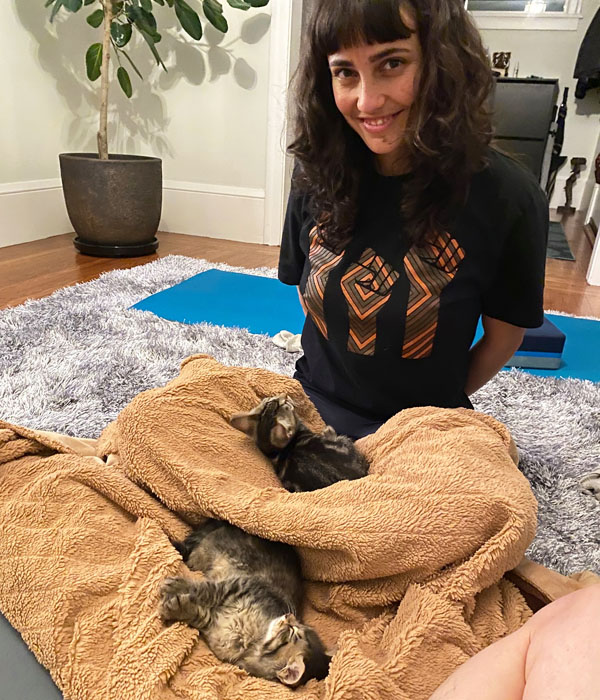
Delilah Buttons (adopted April 2020) and Cocoa Pebbles (adopted March of 2021) are both princesses who have settled into their new lifestyles wonderfully. After a week or so of scent swapping, and sight swapping both girls would play “footsie” under the door, and when they started passing toys back and forth, we figured they were ready to meet whisker to whisker.
They play together, chase each other, eat together, and most recently clean and groom each other. Cocoa has been wonderful for Delilah as well. Delilah had been seeing a cat behaviorist for some unhealthy behaviors like excessive chewing and aggressive play. Delilah has been much calmer to both the two-legged and four-legged creatures of the home and we are no longer under constant attack. They love noodle toys that I make for them and lounging on their multiple cat trees and condos. Our house looks like a kitten kindergarten but the love and joy that we receive is totally worth it. Thank you for everything you do, cause what you do matters. I was inspired by Cocoa’s patterns and I wrote a poem about her…

The Coffee House Kitten
I adopted a Tortie kitten named Cocoa
Who has tons of Espresso energy making her loco
Two deep cups of drinking chocolate for eyes
Staring at me looking loving, curious, and wise
Iced coffee tinted belly so soft, round, and warm
Her low roaring purr resembling a quiet storm
Carmel Macchiato dripping from her frothed milk chin
Trotting into the room she gives my heart a big grin
Café Con Leche is the dip of her tail
Don’t feed her on time, and you will definitely hear her wail
Sweet as Mocha with a Café Au Lait soaked leg
She fits in our family like the perfect round peg
Adopt, don’t shop I can’t make it more plain
Love, friendship, and joy there’s so much to gain
Who adopted who, I really can’t say
All I know is that I love her a Latte
~ Chelise Ellis
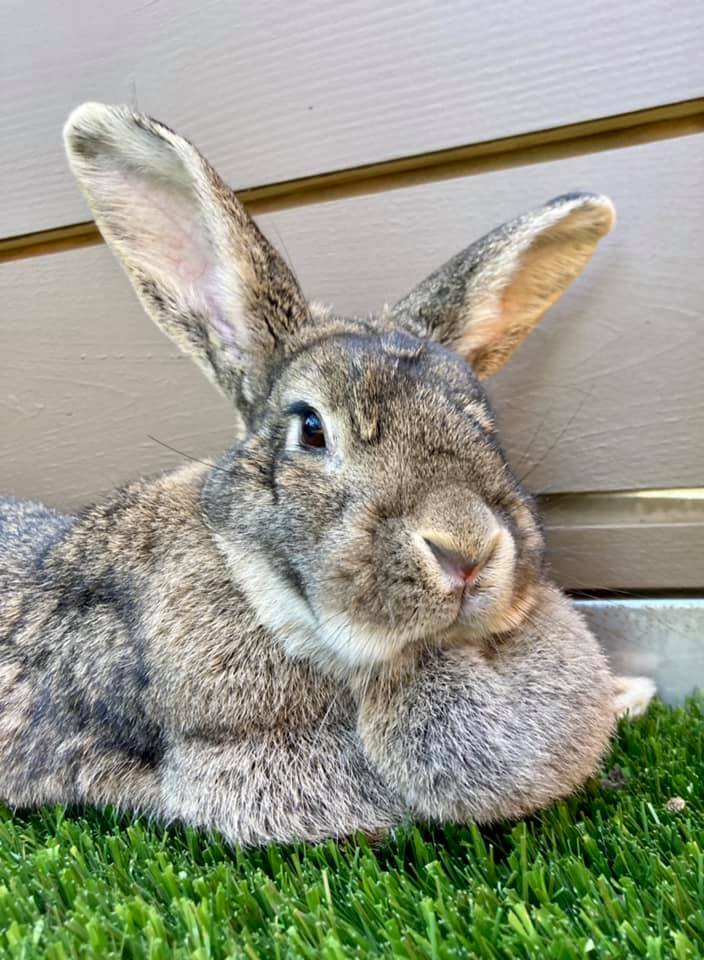
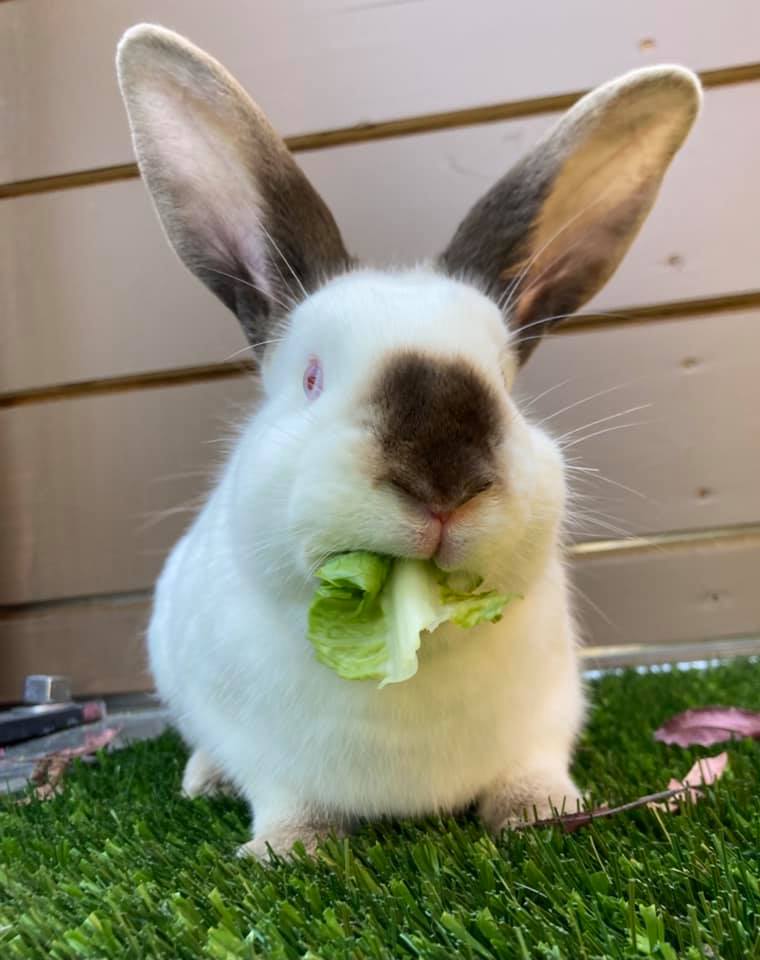
Big beauty Serafina has found her forever home! Hoppy trails!
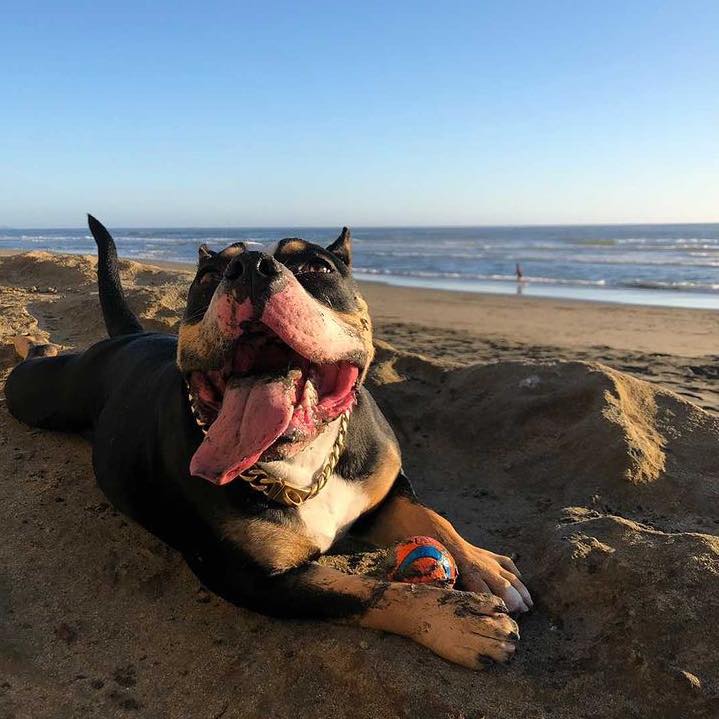
A wonderful update! Gorgeous Cocoa Puff is loving life: “We are literally joined at the hip 24/8. She’s amazing. I am in love with her. Much gratitude to ya’ll for allowing me to be her mama. It’s been an honor.”
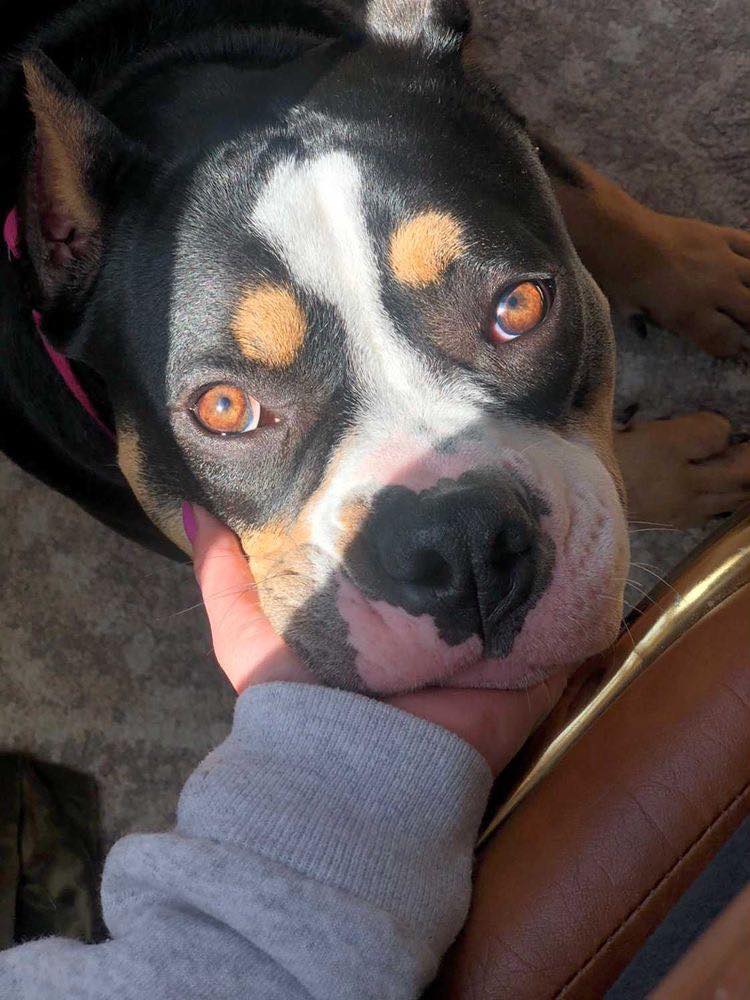
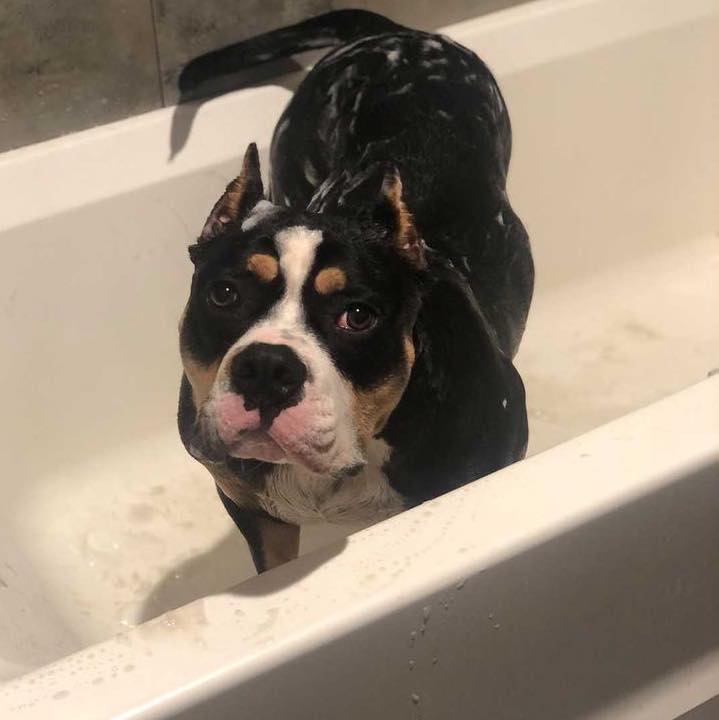
Chonky sweetheart Kitty has been adopted from our PetSmart adoption center! Her resting grumpy face is in full effect!
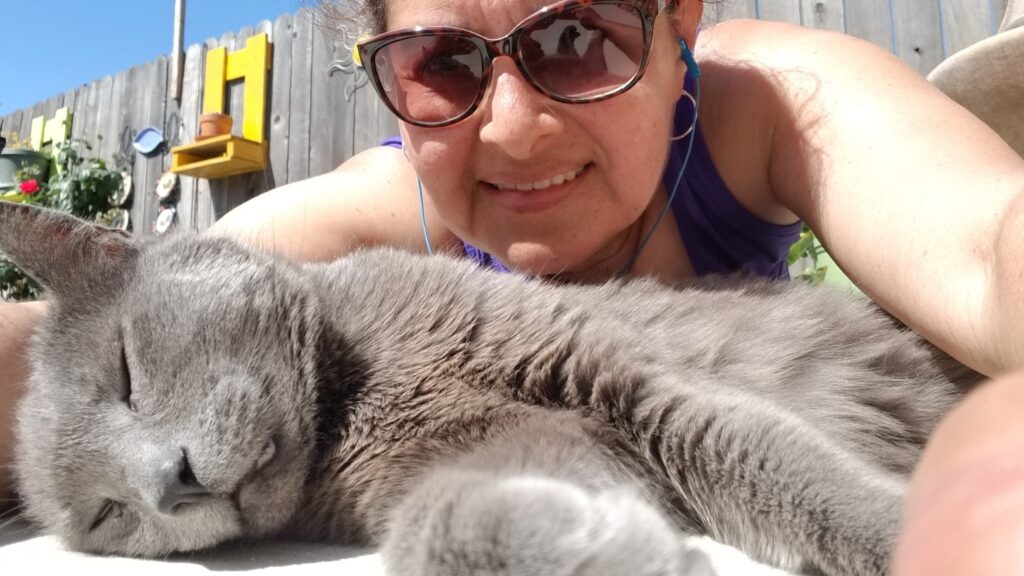
“Santa is a very especial Cat! She’s 11 yrs old, Russian Blue. My husband named her Santa, because she started hanging out in our back yard around Easter time in 2020 (Spanish translation for SANTA is “holy week”). She is attached “literally” to my husband! They love each other, so much she takes over my side of the bed! LOL….She is a tough cookie! Once my husband let her inside the house, she never left. No one claimed her and she is now ours forever.”

Arturo was part of our CHAMP Behavior Foster Program last year and he’s thriving in his forever home complete with brother/BFF:
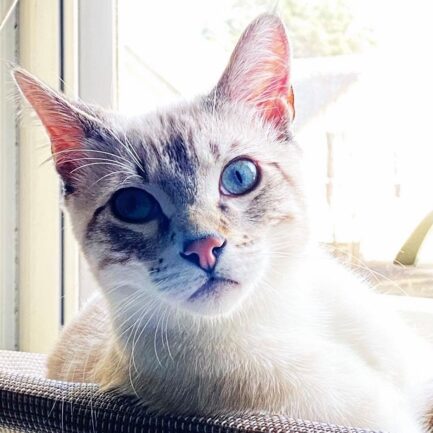
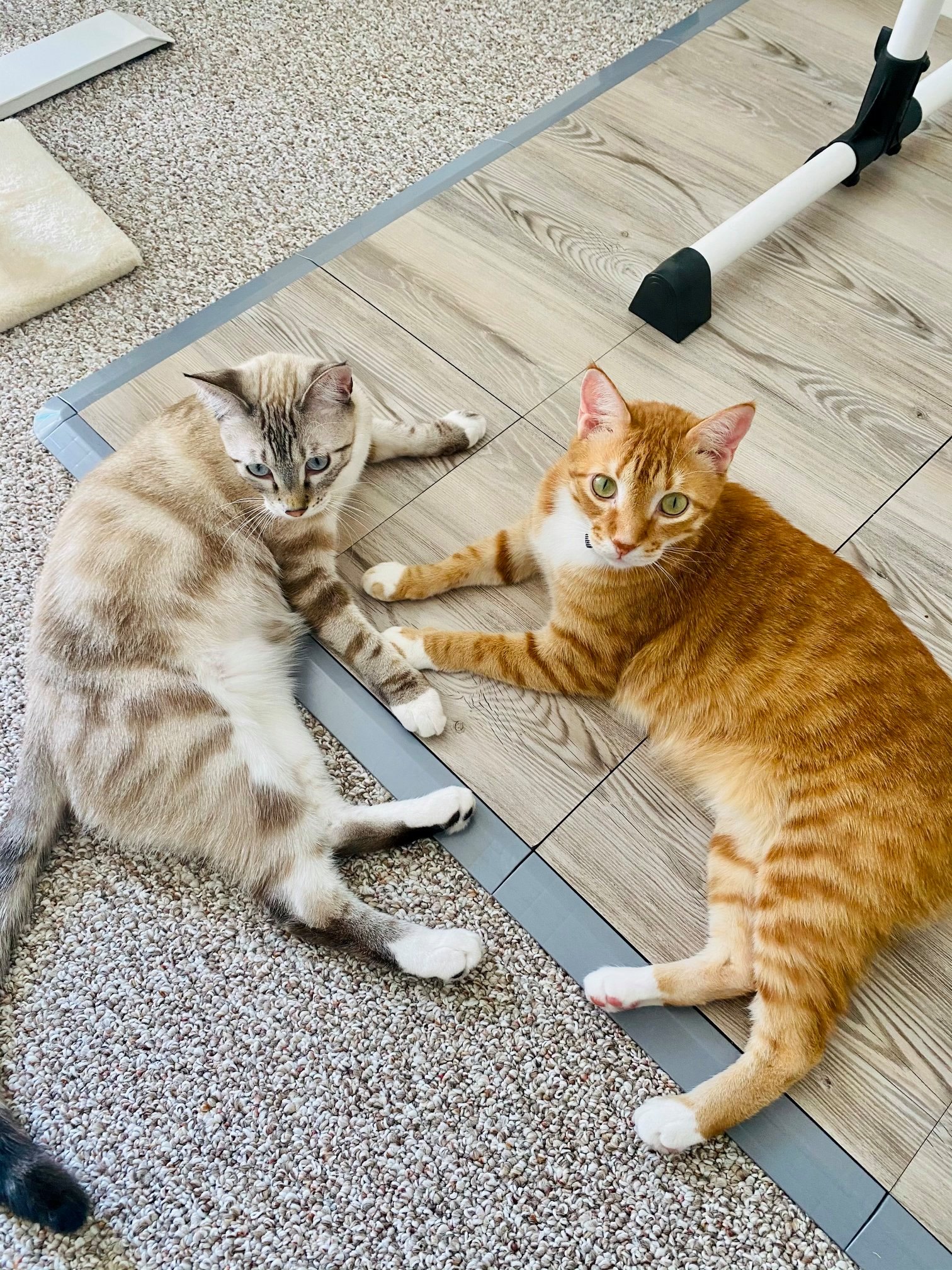
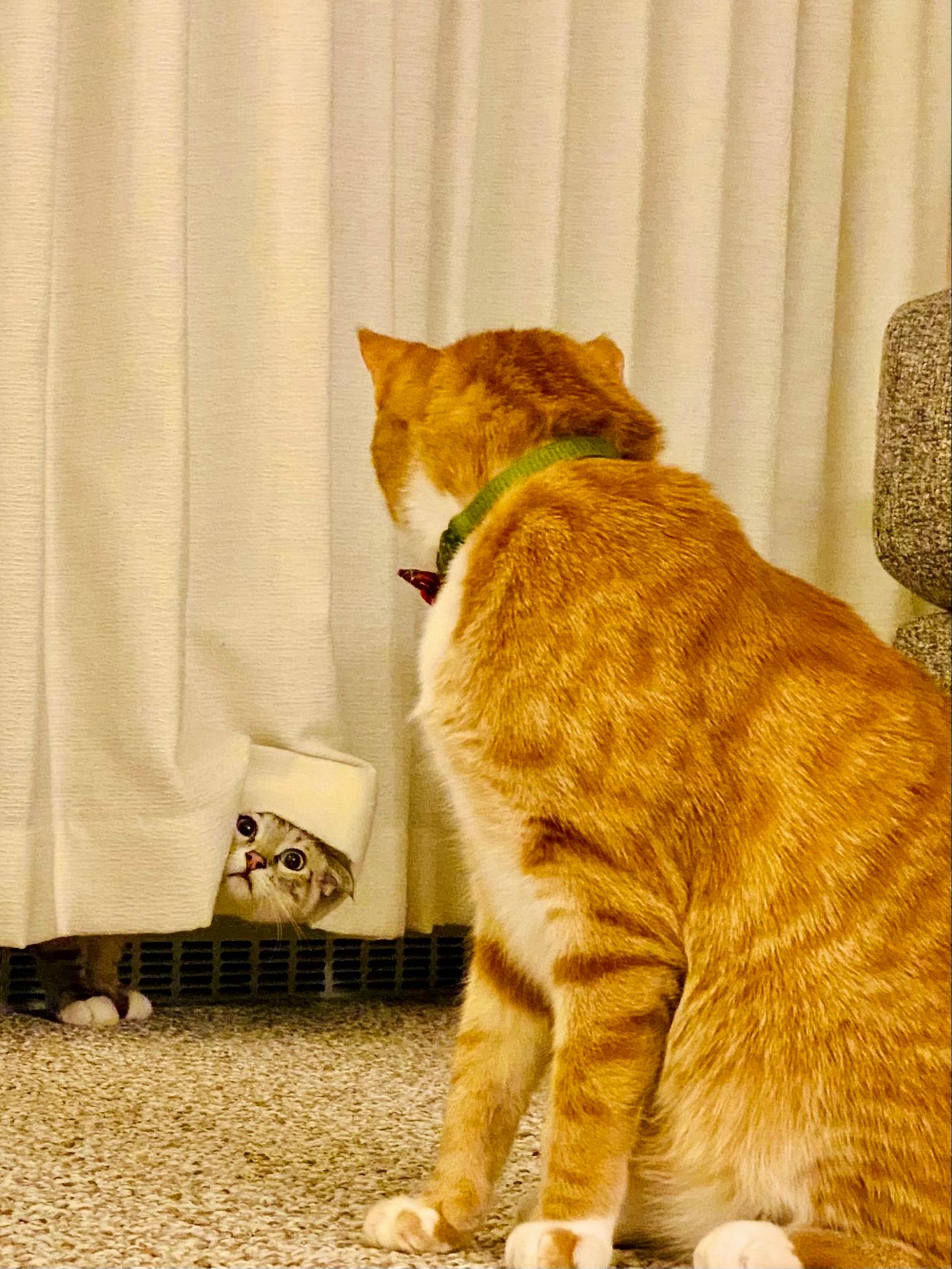
“I adopted Arturo (who goes by “Tito” most of the time) as a companion for myself and my 4-year-old cat, Merlin. When I met Tito, he was a shy kitten who wanted really badly to be brave. During Tito’s first few days, he was skittish and hid a lot, but we started bonding through play. Once I found the way to his heart through toys, he quickly found his way into mine as he started climbing on me for cuddles. I kept Tito in a separate room to give him time to acclimate to his new home, but from that very first night, he and Merlin slept pressed up against the door that separated them. I think they felt their first meeting could not come soon enough. When they did finally meet, both cats were curious and timid with each other, but always gentle.
They are now the best of friends. Merlin provides Tito with grounded guidance, confidence, and patience—so much patience! Of the two, Tito is certainly the instigator. He’s the mischievous little brother who sneaks up and pounces on Merlin, who in turn immediately begins to groom him as Tito melts into a relaxed slumber. Unless they’re sleeping, Tito and Merlin are always playing with and chasing each other. And if his older brother is busy snoozing, Tito is at my side cuddling or bringing me toys to play with. This little guy has truly blossomed into a brave, confident cat whose endearing antics charm everyone he meets. Merlin and I are so lucky to have found him.”
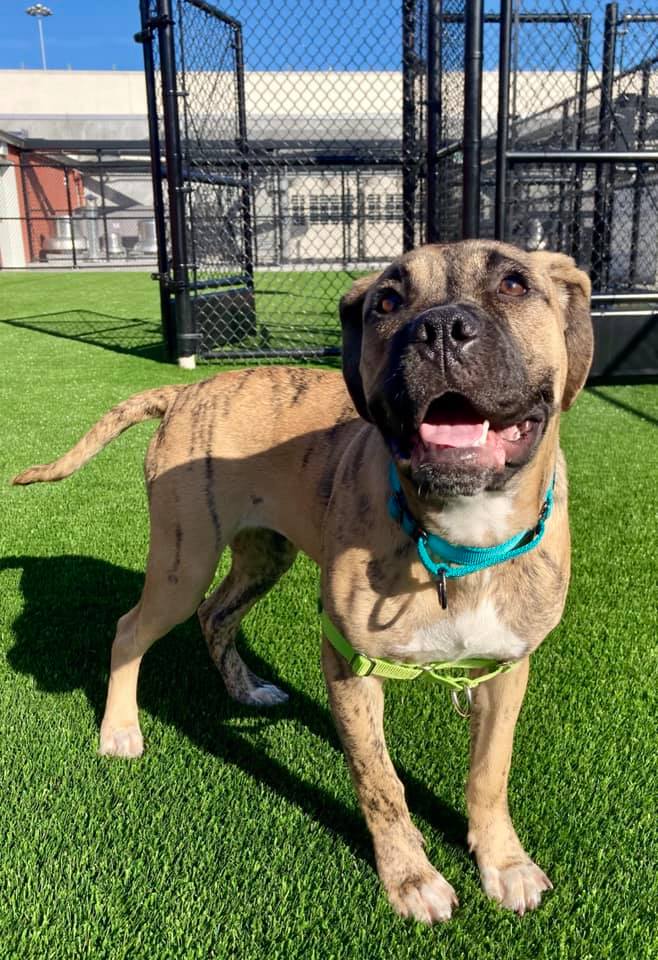
Sweet Clementine (was Bonnie) was adopted in March and we already have an update! “She is doing really well, up to various big puppy shenanigans on the daily (cardboard boxes are a new favorite), enjoys training classes (maybe a B- student, easily distracted, but lots of potential), eats 1lb 2oz of food twice a day (has gained approximately 10lbs in the last 6 weeks), and admired by many wherever we go (you got her where?!). We love her dearly and thank you for all that you do.” …She also had her DNA analyzed and is a Mastiff hodgepodge of seven different breeds!
Wonderful bun boy Oreo Pelusa has been adopted and will be living at Friends of Loma Vista Farm! He’ll be getting plenty of outdoor time and attention!

A New Life for George

May 26, 2021


Dear Friends,

We hope this story finds you and your loved ones safe and happy. Friends of San Francisco Animal Care and Control (Friends) is so grateful that we have been able to continue to support SFACC during the pandemic. In March, SFACC moved into a brand new, state-of-the art facility that has already positively benefited the well-being of the animals in SFACC’s care. Thank you to all of our community who helped fund such an impactful project. Now that the animals and staff are settled into the new facility, Friends is working hard to assist SFACC with immediate needs for the animals in their care─animals like George.

George arrived at the shelter in December of 2020 in rough shape. The person who brought him in was using a belt as a leash and was unwilling to provide SFACC staff with any information about George’s history or condition. George was depressed, emaciated and blind, and unable to walk into the shelter; one of the staff members carried him inside. SFACC veterinary team was initially unsure of what was going on with George medically or how he had come to be in such a sad state.

Over the coming days the vet and animal care teams provided George with excellent TLC and he began to perk up! He was put on special feeding schedule to help him gain weight and he even began walking again. George had a terrible flea infection and his arthritis was so advanced that he wasn’t able to scratch himself (which was actually a good thing to save the health and condition of his skin). When a severe flea infestation is untreated, it often causes secondary bacterial infections and wounds.

Angie Yen, Registered Veterinary Technician (RVT), and SFACC Animal Health Technician shared the following the day after she met George: “I combed so many live fleas and so much crusted flea dirt off his rump and back that I created a dark brown ‘flea soup’. I often think about how flea preventatives can be unaffordable for pet owners, it’s often a monthly budget cost consideration that’s out of reach. As sad as George’s initial condition was for staff, I am very grateful that someone took the initiative to bring him in. It’s natural for us to judge others but I feel it’s important to push back against our inherent biases. The good news is that while senior dogs like George often have chronic illnesses that accompany age, his was in near perfect shape after a slow recovery from flea anemia.”

Because George required extra care as a senior dog, SFACC’s Rescue Coordinator reached out to a valued partner who specializes in dogs like him. Friends provides grants to SFACC Rescue Partners every year thanks to our donors. These grants honor their commitment to San Francisco’s animals and help to offset the cost of this type of advanced care. This year, Friends distributed a total of $50,000 between 25 rescue partners throughout the Bay Area.

While George awaited transfer, SFACC’s Behavior & Training Supervisor and one of the RVTs volunteered to take him home on foster and provide him with a comfy environment. George thrived and quickly established himself as a gentleman and a scholar. Though he was blind and had mild mobility issues, he was quickly able to navigate the home and get himself outside for relief breaks and sunbathing. George integrated into the foster home, living peacefully with the resident American Bully, tiny Chihuahua, and blind cat. His foster parents became quite attached to him and loved giving him all the treats, scratches and body massages he requested. His fosters were grateful to have his company over the holidays in 2020. “George gave us a bit of hope and resilience at the end of such a challenging year.”

Within a few weeks, George was ready to be transferred to the rescue partner and because he had such excellent notes, they were able to find his perfect placement. George is one of many similar examples of SFACC going above and beyond to help the animals who need us most. Please consider supporting this important work by making a one-time or recurring donation to Friends of SFACC. Let’s all do our part to make sure that our City’s animals are treated with the dignity and compassion that they deserve.

Warmest regards,

Lauren Weston
Chair, Board of Directors
Friends of San Francisco Animal Care and Control


April 2021

In April, SFACC transferred 195 animals (54 dogs, 51 cats, and 90 other species) to partner organizations. The shelter directly adopted out 38 animals (10 dogs, 22 cats, and 6 other species).

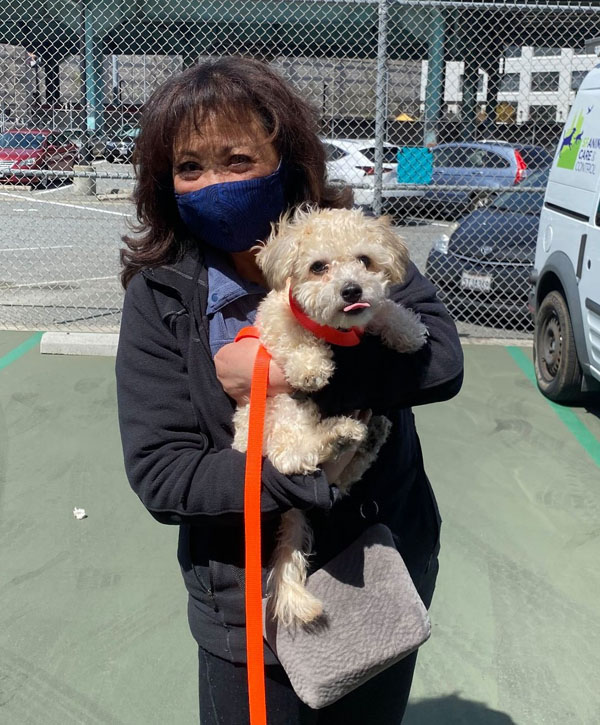
Pepper the poodle has been adopted!

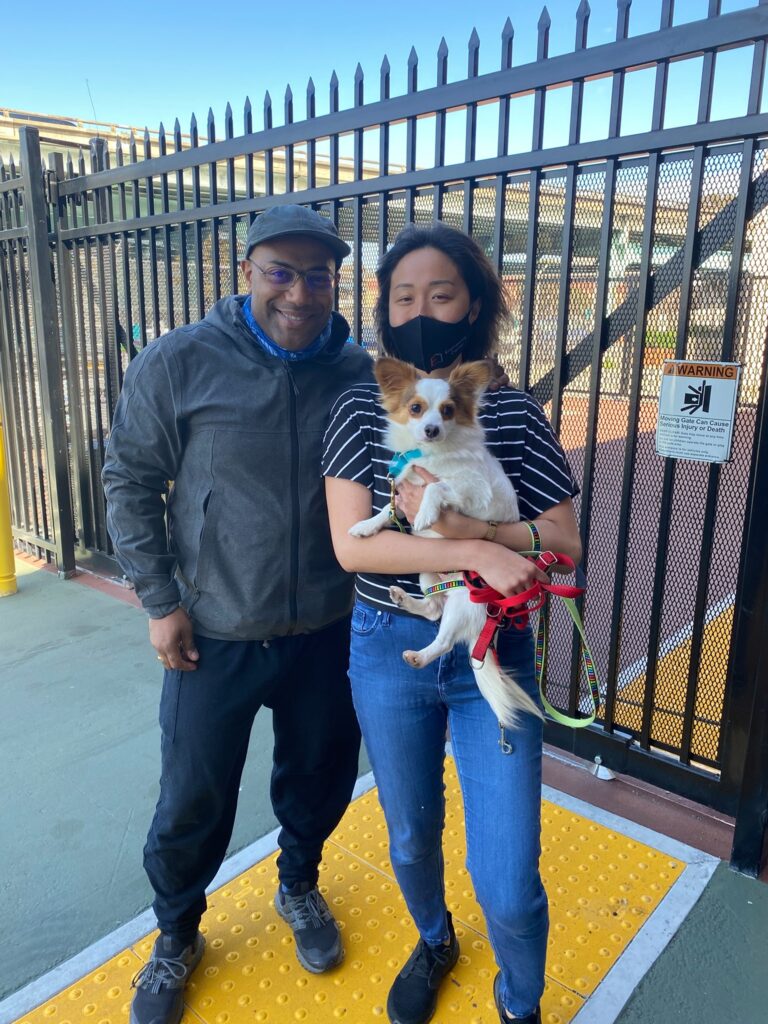
Cuteness overload personified. (Or is that dogified?) Harvey has left with his new family. Yay Harvey!

Kitten Season is here and our first kitten adoption of the season is (drumroll) Waffle & Cupcake. We’re always thrilled when kittens are adopted in pairs!

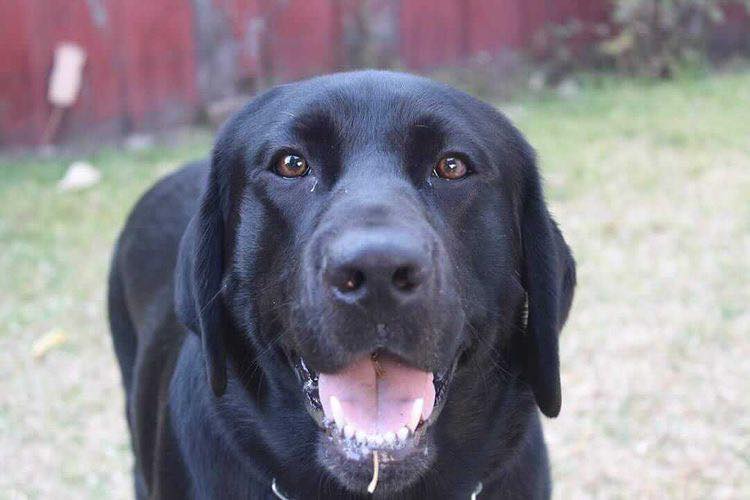
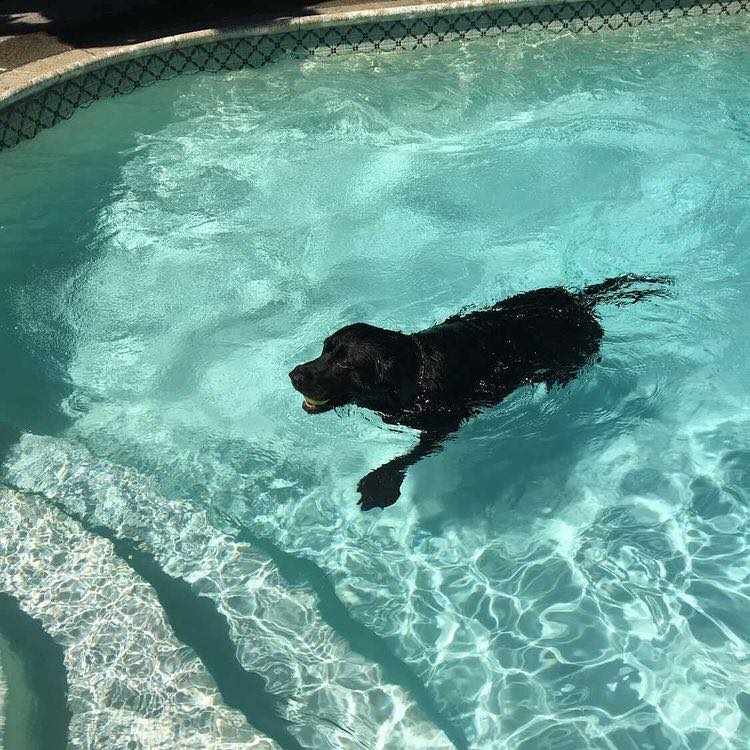
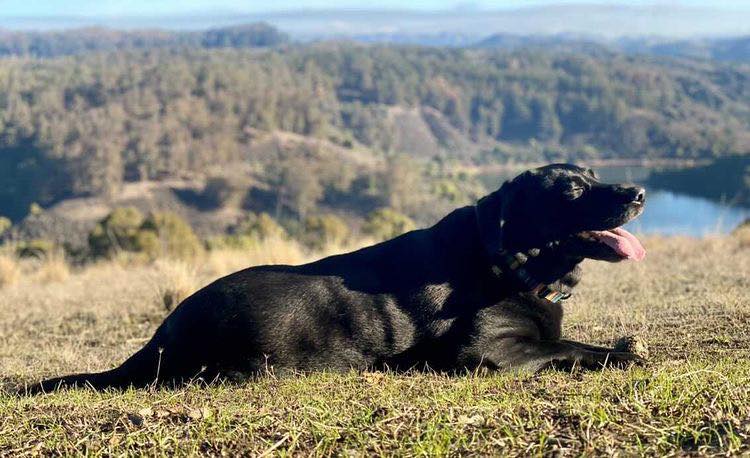
Adoption update: “I wanted to send a message to you all about Ms. Xena (Ybarra) Coleman. She rescued me and my boys around 5/31/2015. She has been with our family since then and has been a DREAM to be with. She’s an amazing mama girl. She’s loud, hungry, loyal, and just flat out amazing. I grew up loving labs and couldn’t have been more proud to live my years with this sweet girl by my side. My family ADORES her and I think she knows it. She loves swimming, walking and being out doors of course…! Sweet girl…”

Kitten cutie Dolly Parton has been adopted. We will always love you!

Loretta Lynn has been adopted. Looks like she’s no longer a coal miner’s daughter!

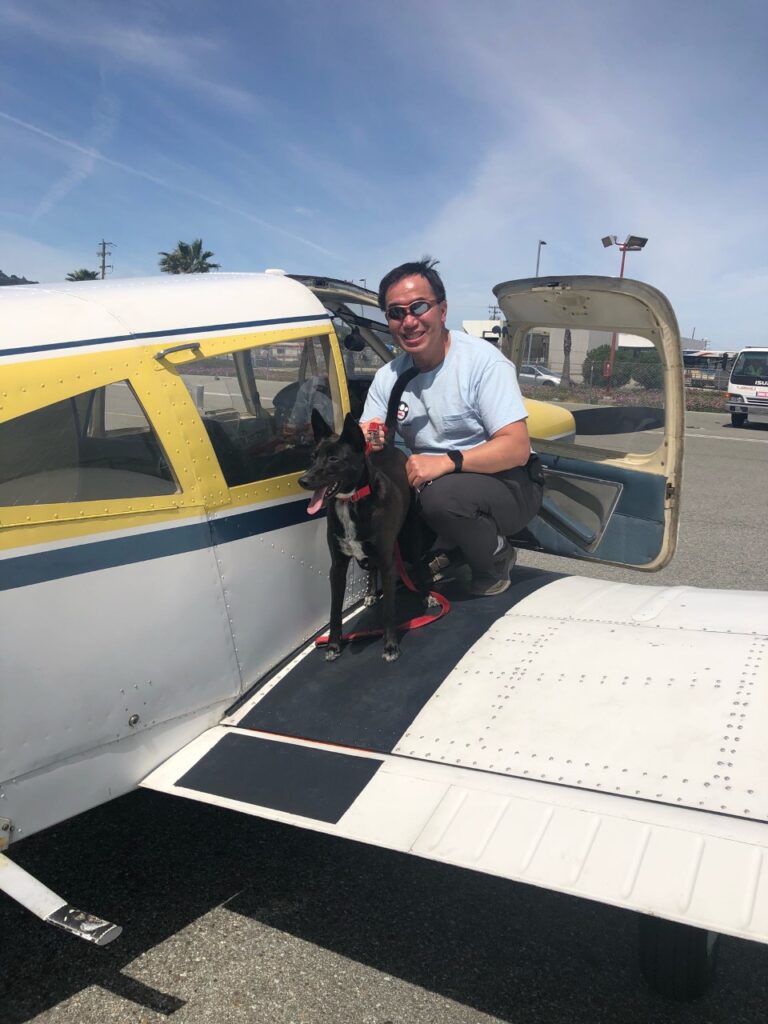
Wayne, or Lil Wayne, as he lovingly became known, was surrendered to SFACC. Staff tracked down Wayne’s original rescue and reached out to them to see if they would be in a position to take Wayne back. And fortunately, they were! Transport Coordinator Katy Jones arranged for volunteer drivers and pilots to bring Wayne across 1,300 miles to Colorado where he will have a second chance at a new home. Way to go Wayne (and Katy)!

Wayne’s Big Adventure

By Kathryn Jones
Adoption Partner Transfer Coordinator

A few weeks ago, we received a dog for surrender who originated from a rescue in Colorado. Typically, when a dog is surrendered to SFACC and comes from a rescue, that rescue will take their dog back. This is great because it allows us to use our resources on dogs that do not already have rescue placement.

Wayne, or Lil Wayne, as he lovingly became known, is a teenage herding dog mix who was having a hard time in the city. He needed to get back to where he came from–the Rocky Mountains! As the rescue coordinator, I tracked down Wayne’s original rescue and reached out to them to see if they would be in a position to take Wayne back. And fortunately, they were!

Now came the real challenge. How on earth do you get an anxious teenage working dog from San Francisco to Colorado? Wayne had about 1,300 miles to cover and that was a daunting prospect.

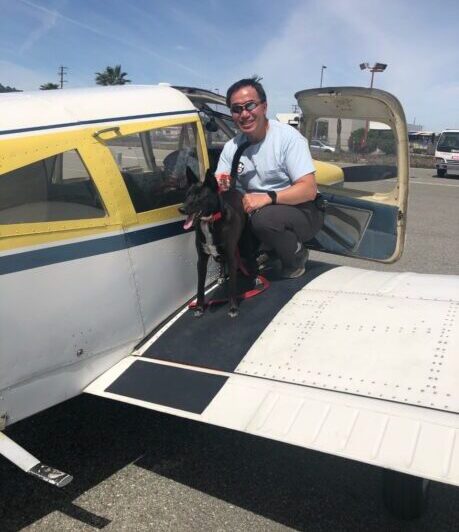
With the help of a crew of volunteer pilots, an SFACC transporter, and a volunteer driving on the receiving end, we made it happen. One of our fabulous transport volunteers, Chris, picked up Wayne from our shelter on Thursday morning and delivered him to the little airport in San Carlos. From there, Wayne flew to Elko, NV and then hopped aboard a different plane and flew to Salt Lake City, Utah. From Utah, a volunteer transporter drove Wayne back to his hometown of Brighton, Colorado.

This transport had a lot of moving parts and factors I had never previously had to worry about (wind!) that made it an interesting challenge. It was really inspiring to see how many people were willing to donate their time, skills, and resources in order to help a dog they’d never even met. And now Wayne is safely back where he belongs!

Leave the Nightlight On, Mom!

By Paula Benton, SFACC Behavior & Training

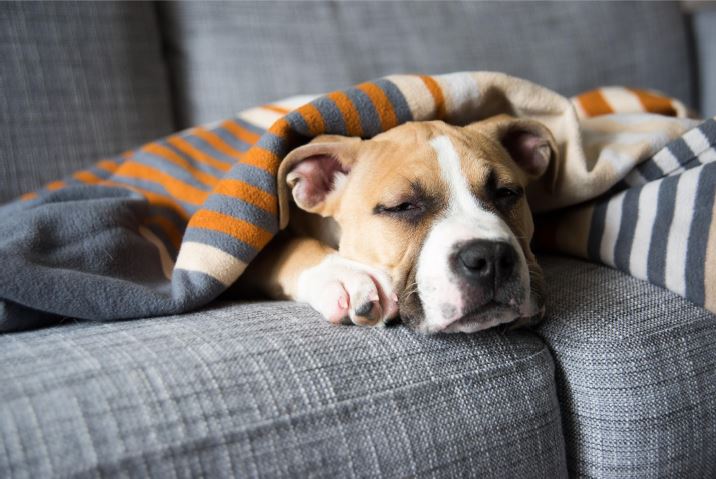
Teaching a child that she can fall asleep peacefully, alone in her room, is a well-known parenting process. But how do you teach a dog to feel comfortable when left alone?

Many canine welfare industry professionals suspect that as Covid restrictions start to lift and people begin to re-enter the workplace, pet dogs (many of them newly adopted during Covid) may experience separation-related problems. Only time will tell if this will happen. In preparation however, SFACC’s Behavior & Training department offers our top 12 favorite tips for pet owners who currently work from home and may soon need to leave their dog alone, perhaps for the first time in a year.

Separation-related problems for dogs cover a broad spectrum. Some dogs may experience a few minutes of intermittent, frustrated mild barking and then settle down peacefully for a nap. Others may exhibit full-blown medically diagnosed separation anxiety and present more serious panic behaviors, such as self harming, intense pacing, a need to escape to reunite with the owner, home destruction, and digging and chewing beyond natural puppy boredom. Many dogs fall somewhere in between.

Helping your dog feel more comfortable and secure when left alone can be a lot of fun—and not as hard as it sounds! The following simple tips can be used successfully right now in your home. These tips are designed to help prevent separation-related distress or problems. Please note they are not designed to modify existing extreme separation anxiety. If your dog is experiencing serious anxiety and panic, please see your veterinarian immediately and seek the assistance of a certified professional dog trainer.

1. Don’t Delay, Start Today! If you have not left your dog alone in quite some time, today is your day. Please understand that the longer you put off this valuable skill building, the harder it may be for you and your dog to succeed.

2. Have Patience! If you have recently moved or adopted a dog, it is reasonable that he or she will need time to transition to a new routine, home, neighborhood, or family. Mild separation-related problems will likely fade away within a few weeks.

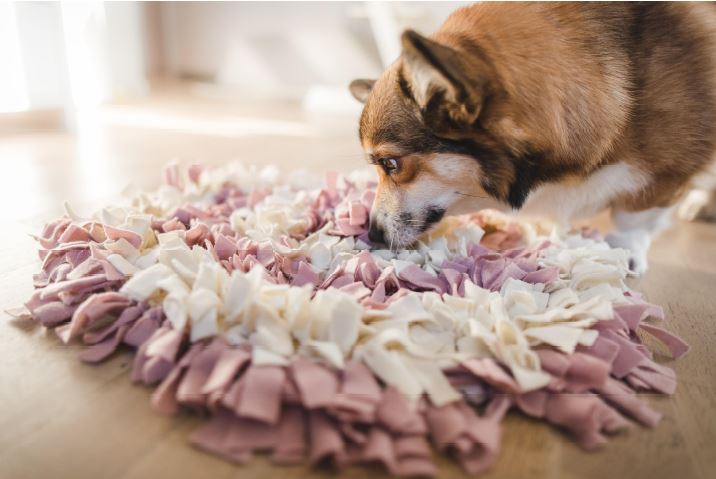
3. Alone Time Is FUN Time! Teaching your dog to associate your departure with something she loves is key. There are many very successful learning tools you can use, such as mouth-watering food puzzles or fun hunt-and-seek games. You can research some of our favorites online, including: Nina Ottosson puzzles, stuffed frozen Kongs, Snuffle Mats, Hide-A-Squirrel plush toys, and interactive tumbler-type treat dispensers. An old stand-by is to sprinkle a generous handful of kibble throughout the room your dog will occupy, right before you leave your home. As she eventually catches on to this simple hide-and-seek game, tuck some kibble pieces in, under, and on top of things in the room to add difficulty. When offered consistently, any and all of these positive associations will have your dog nuzzling you out the door!

4. Ping Pong! Contrary to what you may have heard, take care not to make your departures longer and longer each time. You want to avoid accidently increasing your dog’s frustration or distress with predictably longer sessions. Instead, build in success by ping-ponging the length of time you are gone. For example: Today you might leave for 10 minutes in the afternoon; tomorrow, try 5 minutes in the morning and then 15 minutes in the evening.

5. Sounds Good! Leaving on talk radio or a chatty television channel like HSN or QVC can help mask outdoor sounds your dog may overreact to with excessive barking. White noise machines can also assist in muffling environmental sounds.

6. Eliminate Before You Vacate! Take your dog for a 15- or 30-minute relaxed neighborhood walk before you leave your dog alone. The opportunity to stretch his legs, and wee and pooh will surely add to his comfort. However, take care not to exercise him in high aerobic activities prior to your departure. This can keep his adrenaline higher than you want when he’s alone.

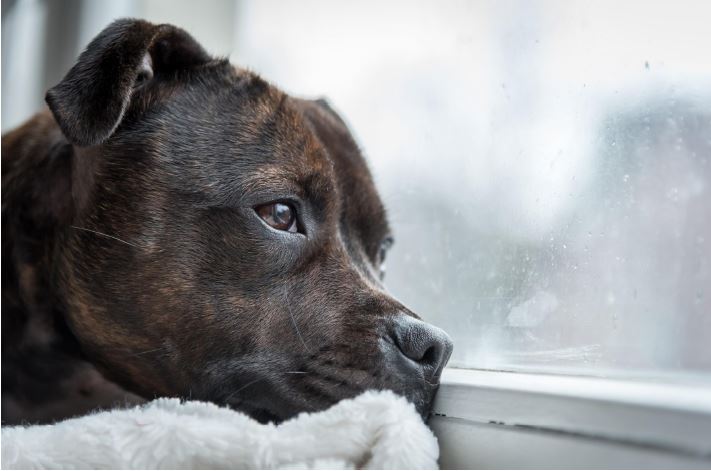
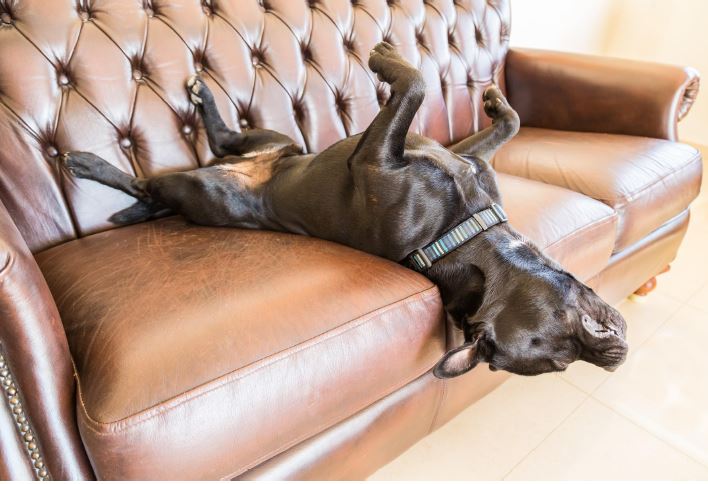
7. This Bed Is Just Right! We all know every dog has her own preferences regarding just about everything. As your dog’s personal “P.I.,” it’s your job to discover her alone-time location preference that provides comfort and security. Be observant. Is your dog most secure in a cozy den-like crate, lying on one of your tee shirts and chewing on a Benebone? Is she most comfortable loose in your living room, secured by baby gates, snoring on the couch? If your dog feels secure alone in your car because she has a 360-degree visual connection to the world, try positioning her near a home window before you leave. Find out what is just right for her.

8. Clear the Decks! In preparation for leaving your dog alone safely in a designated room, put yourself in his paws and scan the environment from his canine point of view. Remove any and all household items that may beckon him to chew, gnaw, or swallow. Taking just a few minutes to do this will avoid hindering his progress and encourage success instead.

9. Say No to No! If you return home to find your dog has had an accident or made a bit of a mess, do not punish your dog. Simply put, he will sense you are intensely unhappy but will not understand why. Punishing him creates confusion and frustration. Instead, while you tidy up, take careful note of the place where you left him. This can be invaluable when you are investigating his alone-time location preference.

10. Be a Good Neighbor! Contact your neighbors and let them know you are working with your dog to help him feel more confident and comfortable when left alone. Make them aware that they might hear some barking or whining, and ask if they will be participants in your training process. Give them your phone number and ask them to contact you directly if they hear excessive barking.

11. Don’t Leave Me This Way! Sometimes leaving our dogs is harder for us than for them. Take this into consideration. Make your departures as normal and easy-going as they would be if you didn’t have a dog. Try to avoid over-fussing, and just ignore your dog 5-10 minutes prior to your departure. The same rings true when re-entering your home. Your goal is to normalize this procedure for you and your dog.

12. I Spy! Ever wonder what your dog does when you are gone? Set up a video camera or mobile phone and record your dog’s behavior after you’ve departed. This will give you an accurate picture of what your dog looks and sounds like when alone, and valuable insight into what’s working for her and what’s not.

Preparing your dog for “life after Covid” by teaching him to rest and sleep confidently when alone is important to his overall health and well-being. Dogs, like young children, need a great deal of rest each day. The average young puppy requires approximately 16-20 hours of sleep in a 24-hour period; the average adult dog requires 12-14 hours. Try each of these 12 simple tips to help your dog have successful, restful time alone. And remember: Start today!